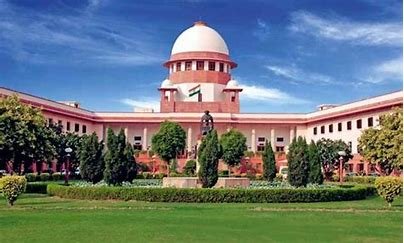
New Delhi: The Constitution of India contains 12 Schedules that provide details on various constitutional provisions, including the administration of states and Union Territories, distribution of legislative powers, official languages, and local self-government. Each Schedule serves a specific purpose and is linked to relevant Articles of the Constitution. First Schedule: States and Union Territories The Read More…
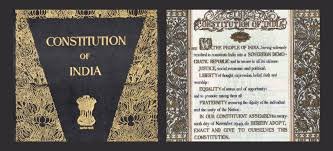
Tag: supreme court
Supreme Court Upholds Prior Practice Rule for Judicial Service, Grants Transitional Relief to Candidates
New Delhi: The Supreme Court has upheld the requirement of prior legal practice for entry into judicial service while providing transitional relief to candidates affected by the restoration of the three-year practice rule. In Bhumika Trust v. Union of India and Connected Cases, the court allowed candidates applying under recruitment notifications issued between May 25, Read More…
Supreme Court Procedure: Rules, Benches and Judgments
The Supreme Court of India has the authority to frame rules regulating its general practice and procedure, subject to the approval of the President. Constitutional cases and references made by the President under Article 143 of the Constitution are heard by benches comprising at least five judges. Other cases are decided by single-judge benches or Read More…
Supreme Court procedure governed by rules
New Delhi: The Supreme Court can, with the approval of the President, frame rules regulating the general practice and procedure of the Court. Constitutional cases and references made by the President under Article 143 are heard by a Bench comprising at least five judges. Other cases are heard by single judges or Division Benches. Judgments Read More…
Supreme Court procedure
New Delhi: The Supreme Court can, with the approval of the President, make rules regulating the general practice and procedure of the Court. Constitutional cases and references made by the President under Article 143 are heard by a Bench comprising at least five judges. Other cases are heard by single judges or Division Benches, depending Read More…
SC to examine EC decisions on SIR, clarifies it did not approve modified Form 6
NEW DELHI: The Supreme Court on Monday said it would scrutinise decisions taken by the Election Commission in connection with the Special Intensive Revision (SIR) of electoral rolls and set aside any decision found to be inconsistent with the law. A bench headed by Chief Justice of India Surya Kant and comprising Justices Joymalya Bagchi Read More…
SC: Revenue authorities cannot review own orders without specific statutory power
New Delhi: The Supreme Court has held that revenue authorities cannot review their own quasi-judicial orders unless such power is specifically conferred by law. The ruling came in State of West Bengal v. Jai Hind Pvt Ltd (2026), concerning Section 57A of the West Bengal Estates Acquisition Act, 1953. The provision allows the state government Read More…
SC says it can annul EC decisions not in accordance with law
New Delhi: The Supreme Court on Monday said it would examine decisions taken by the Election Commission (EC) and annul those found to be contrary to law. A bench headed by Chief Justice of India Surya Kant, along with Justices Joymalya Bagchi and V Mohana, issued notices to the Centre and the EC on pleas Read More…
SC dismisses Centre’s plea in Great Nicobar project case
New Delhi: The Supreme Court on Monday dismissed the Centre’s plea challenging a Calcutta High Court order upholding the maintainability of PILs alleging violations of the Forest Rights Act in obtaining consent for the Great Nicobar Island mega-infrastructure project. A bench headed by Chief Justice of India Surya Kant and comprising Justices Joymalya Bagchi and Read More…
Supreme Court likely to get three new judges next week
New Delhi: The Supreme Court is likely to get three new judges next week, according to sources familiar with the appointment process. The Supreme Court Collegium had on September 29 recommended the elevation of three High Court Chief Justices to the apex court. The recommendations include Justice Sunita Agarwal, Chief Justice of the Gujarat High Read More…