
Union Minister for Information and Broadcasting Ashwini Vaishnaw on Sunday called upon media professionals to embrace technological advancements and uphold responsible journalism to strengthen democracy and serve society. Addressing the National Press Day celebrations organised by the Press Council of India at Rangbhawan Auditorium in New Delhi, the minister highlighted the rapid transformation of the Read More…
Law
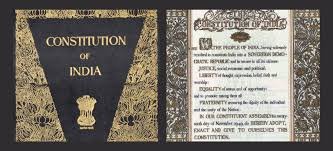
Article 26 Guarantees Religious Denominations the Freedom to Manage Their Own Affairs
Article 26 of the Indian Constitution guarantees every religious denomination, or any section thereof, the freedom to manage its own religious affairs, subject to certain constitutional restrictions. The provision allows religious denominations to establish and maintain institutions for religious and charitable purposes. It also grants them the right to own and acquire movable and immovable Read More…

Suspended Circle Inspector Arrested in Bribery Case in Keralam
Kottayam: A Circle Inspector attached to the Vaikom police station, who was suspended over allegations of accepting bribes through a bank account opened in the name of an Assam native, was arrested on today, the Vigilance and Anti-Corruption Bureau (VACB) said. The arrested officer has been identified as Shameer Khan P A (52), a native Read More…

50 important Latin legal terms and their meanings every law student should know
Latin expressions continue to play an important role in legal language, with several terms used in court proceedings, judgments and the interpretation of laws. From principles relating to criminal liability to constitutional remedies and contractual obligations, these expressions help explain fundamental concepts of the legal system. Here are 50 commonly used Latin legal terms and Read More…
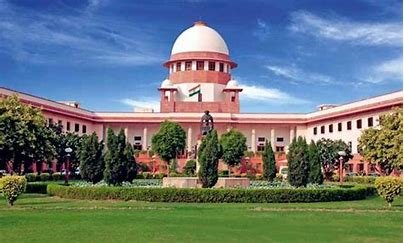
Supreme Court Rules on Res Judicata in Property Dispute Involving Subsequent Purchasers
New Delhi: The Supreme Court has examined whether the dismissal of an application seeking impleadment under Order I Rule 10 of the Code of Civil Procedure (CPC) can operate as res judicata against a subsequent application filed under Order XXII Rule 10 in a property dispute. The case, Sanjiv Kumar v. Shakuntla Devi (2026 SC), Read More…

Res Gestae Principle Under Bharatiya Sakshya Adhiniyam: Key Rules on Admissibility of Evidence
New Delhi: The legal principle of res gestae, which deals with the admissibility of statements and acts closely connected to an event, is recognised under Section 4 of the Bharatiya Sakshya Adhiniyam (BSA), 2023. The provision corresponds to Section 6 of the Indian Evidence Act, 1872. The doctrine allows courts to consider facts, statements and Read More…
No Injury Marks No Ground to Deny POCSO Survivor Compensation: Allahabad HC
The Allahabad High Court has ruled that a survivor of sexual assault under the POCSO Act cannot be denied compensation solely because a medical report shows no physical injuries. A division bench of Justices Shekhar B. Saraf and Amitabh Kumar Rai directed authorities to pay ₹3 lakh to a minor under the Uttar Pradesh Rani Read More…
Limitation Periods for Civil and Criminal Appeals: Key Legal Deadlines Explained
New Delhi: Limitation periods play a crucial role in civil and criminal proceedings, determining the time available to file appeals, revisions and execution petitions before the appropriate courts. Missing the prescribed deadline may affect a litigant’s legal remedies, although courts may condone delays where the law permits.The legal reference note lists several deadlines for different Read More…

Transfer of Property Act, 1882: Six Key Modes of Property Transfer Explained
The Transfer of Property Act, 1882, lays down the legal framework for transferring property between individuals. The Act covers several modes of transfer, including sale, mortgage, lease, exchange, gift and the transfer of actionable claims, each subject to specific legal requirements and formalities. Sale (Section 54) A sale involves the transfer of ownership of property Read More…
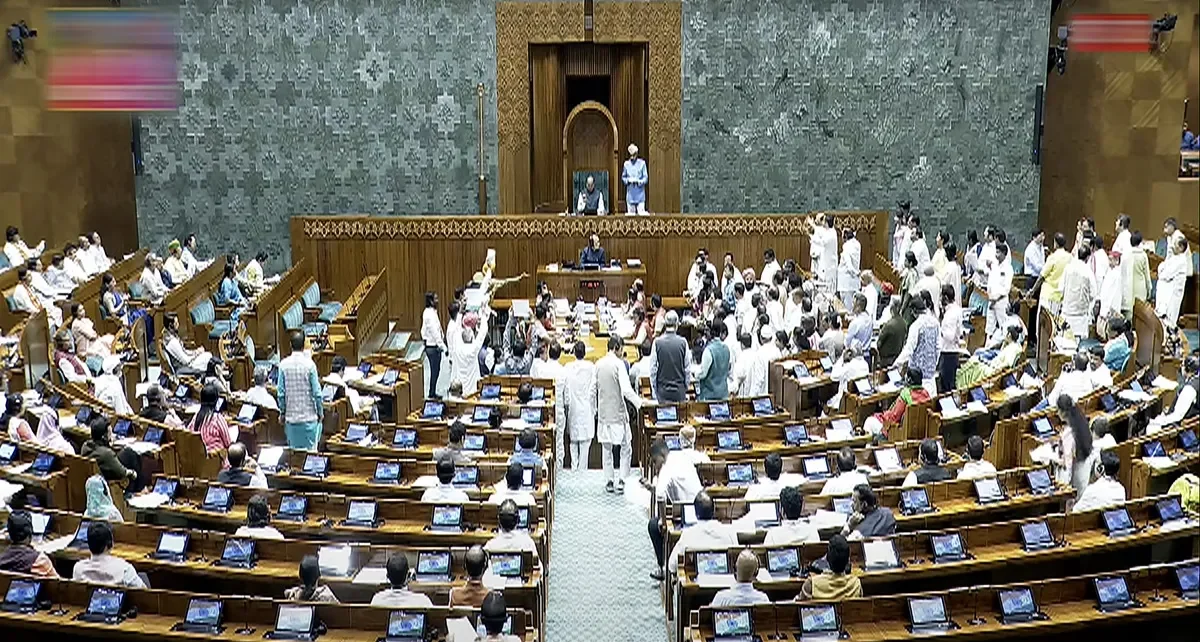
Public Accounts Committee: Composition, Functions and Limitations
The Public Accounts Committee (PAC) is one of the key financial committees of the Indian Parliament, responsible for examining government expenditure and ensuring financial accountability. The committee was first established in 1921 under the Government of India Act, 1919. It consists of 22 members, including 15 members from the Lok Sabha and seven from the Read More…