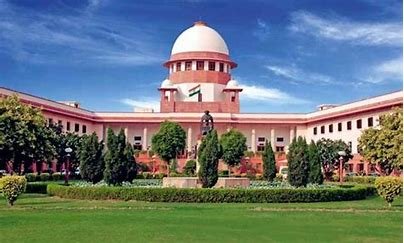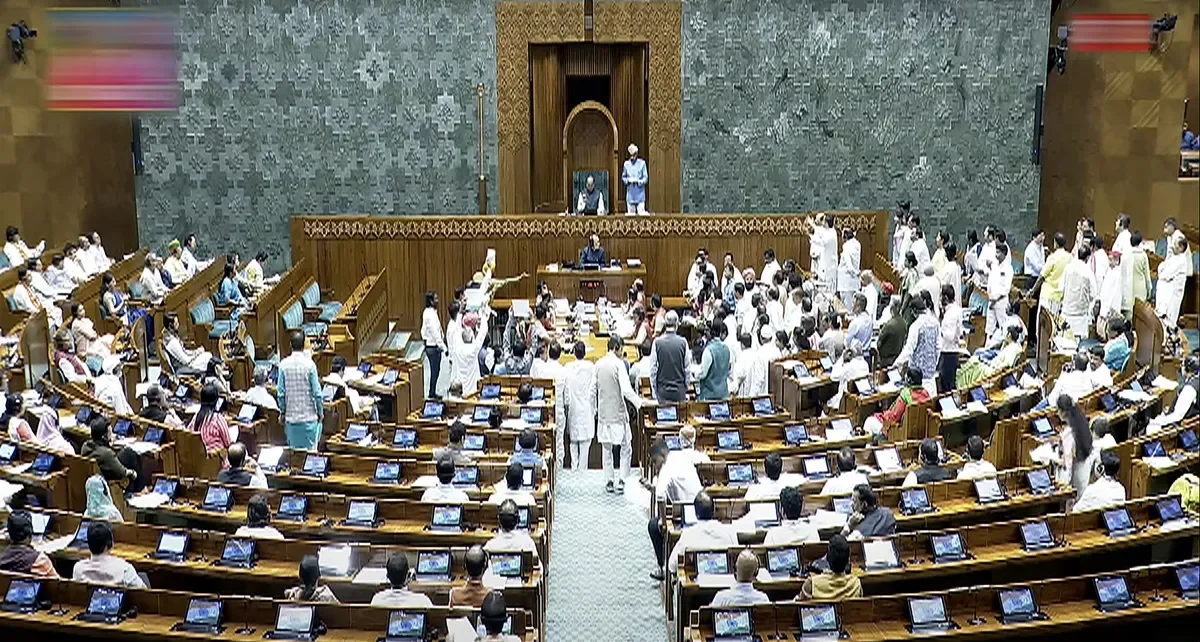
New Delhi: The Supreme Court, in Sujal Vishwas Attavar v. State of Maharashtra (2026), reiterated that writ jurisdiction under Article 226 or inherent powers under Section 482 CrPC should not ordinarily be invoked when an effective statutory remedy is available. Referring to Sakiri Vasu v. State of UP (2008), the Court said grievances over non-registration Read More…
court
Seven Judicial Officers Take Oath as Delhi High Court Judges, Strength Reaches 50
New Delhi: Seven judicial officers from Delhi’s district judiciary were sworn in as judges of the Delhi High Court on Monday, raising the court’s total strength to 50. Chief Justice D K Upadhyaya administered the oath of office to Justices Nivedita Anil Sharma, Nisha Sahay Saxena, Sanjay Sharma, Bharat Parashar, Aditi Choudhary, Dinesh Bhatt and Read More…
Transfer of Property Act, 1882 Recognises Six Major Modes of Property Transfer
New Delhi: The Transfer of Property Act, 1882 provides a legal framework for transferring property and interests in property through several recognised modes, including sale, mortgage, lease, exchange, gift and actionable claims. Sale, governed by Section 54 of the Act, involves the transfer of ownership in exchange for a price that is paid, promised, or Read More…
Operation Thoofan to enter second phase on September 28: Ramesh Chennithala
Thiruvananthapuram: Home Minister Ramesh Chennithala said that Operation Thoofan, the state’s anti-drug campaign, is set to enter its crucial second phase, with Chief Minister V D Satheesan scheduled to inaugurate it at Vengara in Malappuram on September 28. The second phase will focus on strengthening anti-drug awareness by forming Janajagratha Samitis (people’s vigilance committees) in Read More…
Special Court directs Lokayukta police to report on Kharge-linked trust complaint
Bengaluru: A special court in Bengaluru on Friday directed the Karnataka Lokayukta police to submit their report on a private complaint alleging corruption and misuse of public office in connection with the Siddartha Vihar Trust. The complaint has been filed against Congress president Mallikarjun Kharge, his son and Karnataka Home Minister Priyank Kharge, and other Read More…
Supreme Court: Revenue Authorities Cannot Review Their Own Orders Without Statutory Power
New Delhi: The Supreme Court has held that quasi-judicial Revenue Authorities cannot review their own orders unless the power of review is specifically conferred on them by law. The ruling came in State of West Bengal v. Jai Hind Pvt. Ltd. (2026), which concerned the scope of powers available to Revenue Authorities under Section 57A Read More…
Delhi Tribunal Awards Rs 76.72 Lakh to Man Left 75% Disabled in Road Accident
New Delhi: The Delhi Motor Accident Claims Tribunal has awarded Rs 76.72 lakh in compensation to a 24-year-old man who suffered 75 per cent permanent physical disability in his upper limbs and brain in a road accident. Presiding Officer Deepika Singh was hearing a claim petition filed by Dinesh Kumar, who has remained in a Read More…
West Bengal CM Orders Statewide Crackdown on Child Marriage
Kolkata: West Bengal Chief Minister Suvendu Adhikari on Monday announced a statewide drive against child marriage, directing authorities to conduct house-to-house checks to identify underage marriages and pregnancies. Adhikari warned that those involved in arranging or facilitating child marriages would face strict legal action, including arrest and imprisonment. Families found participating in such marriages could Read More…
Kerala High Court Upholds Action Against Intoxicated Passengers on Trains
Kochi: The Kerala High Court has upheld the authority of railway officials to take action against people found in an intoxicated condition on railway premises or aboard trains. Justice Bechu Kurian Thomas dismissed a petition challenging Section 145(a) of the Railways Act, 1989, ruling that the provision is not unconstitutional. The section empowers railway authorities Read More…
Article 26 Guarantees Religious Denominations Freedom to Manage Their Affairs
New Delhi: Article 26 of the Constitution of India guarantees every religious denomination, or any section thereof, the freedom to manage its own religious affairs, subject to certain constitutional limitations. Under Article 26, religious denominations have the right to establish and maintain institutions for religious and charitable purposes. They also have the right to own Read More…