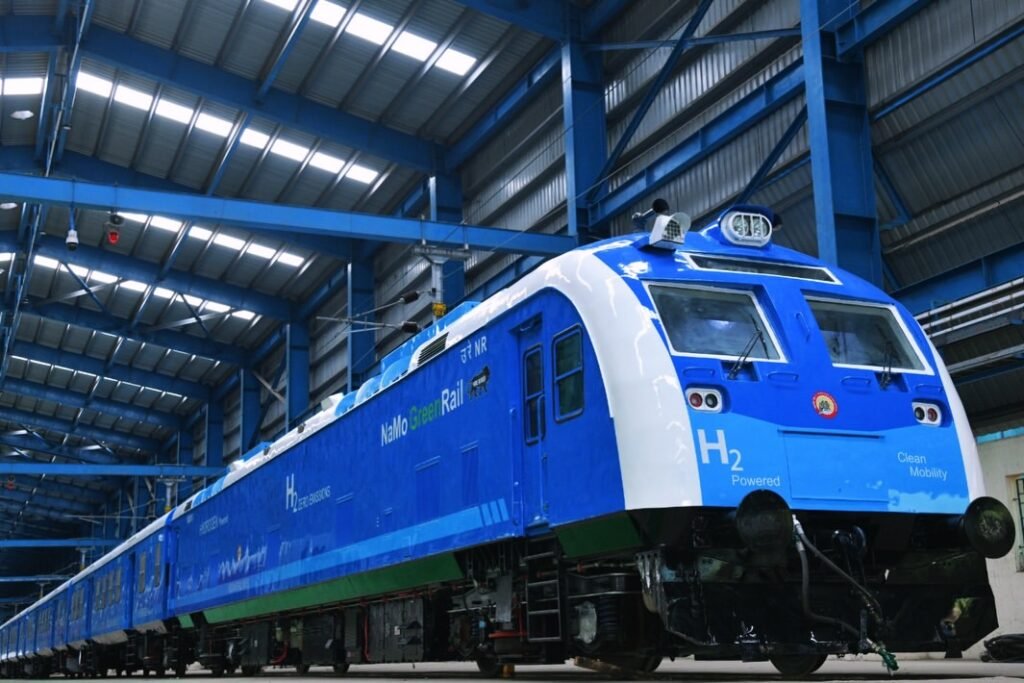
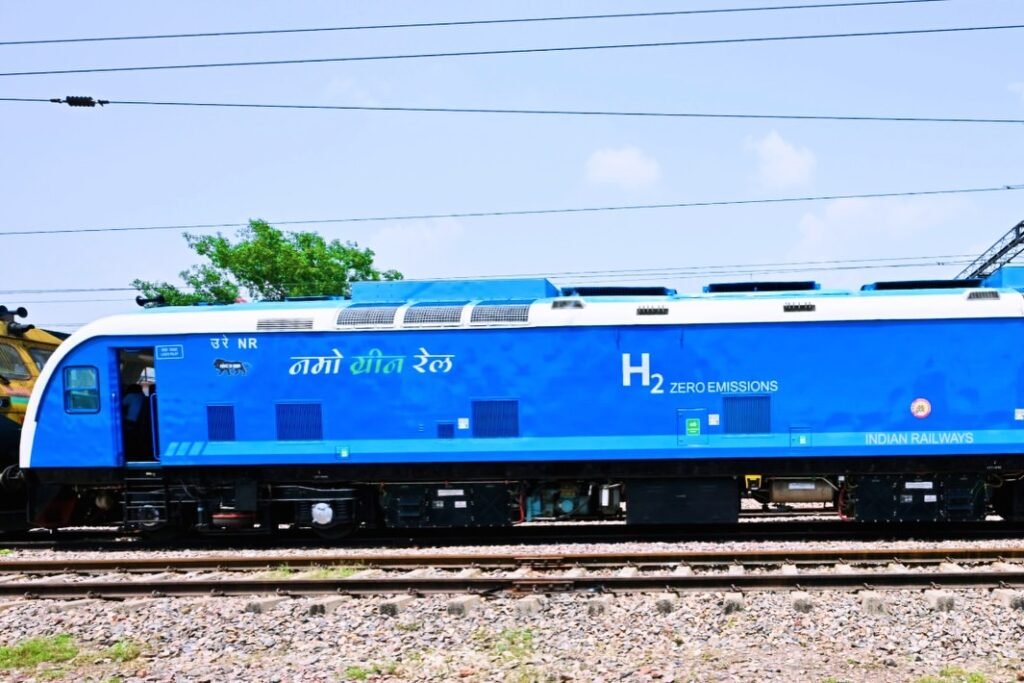
New Delhi: Prime Minister Narendra Modi will flag off India’s first green hydrogen-powered train from Jind in Haryana on July 17, 2026, marking a major milestone in the country’s transition towards clean, zero-emission rail transport.
The train will run on green hydrogen, a zero-emission fuel produced by splitting water into hydrogen and oxygen using electricity generated from renewable sources such as solar and wind power. The initiative is expected to significantly reduce the carbon footprint of Indian Railways, particularly on non-electrified routes.
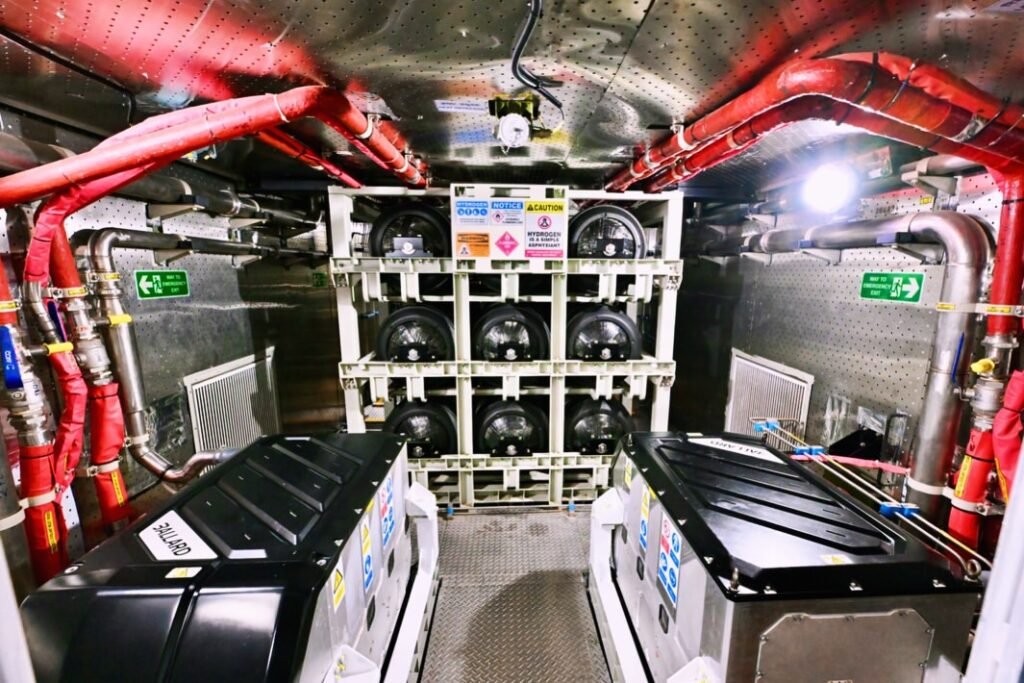
The project is part of Indian Railways’ “Hydrogen for Heritage” initiative, launched in 2023 to introduce 35 hydrogen-powered trains on ecologically sensitive and scenic routes across the country. Each hydrogen train is estimated to cost around ₹80 crore, while the associated route infrastructure is estimated at ₹70 crore.
The launch is expected to strengthen India’s efforts to achieve its Net Zero emissions target by 2070 and support the decarbonisation of the railway sector. It also aligns with the National Green Hydrogen Mission, aimed at promoting a domestic hydrogen economy, reducing dependence on fossil fuel imports, and advancing the goal of energy independence by 2047.
However, experts point out several challenges to large-scale adoption of hydrogen-powered rail transport. These include the high cost of green hydrogen and fuel cell technology, the need for specialised storage systems that require high pressure or cryogenic temperatures, limited hydrogen production and refuelling infrastructure, energy losses during hydrogen conversion, and safety concerns due to hydrogen’s highly flammable nature.
The launch of the country’s first green hydrogen train is seen as a significant step towards sustainable transportation and clean energy innovation in India.