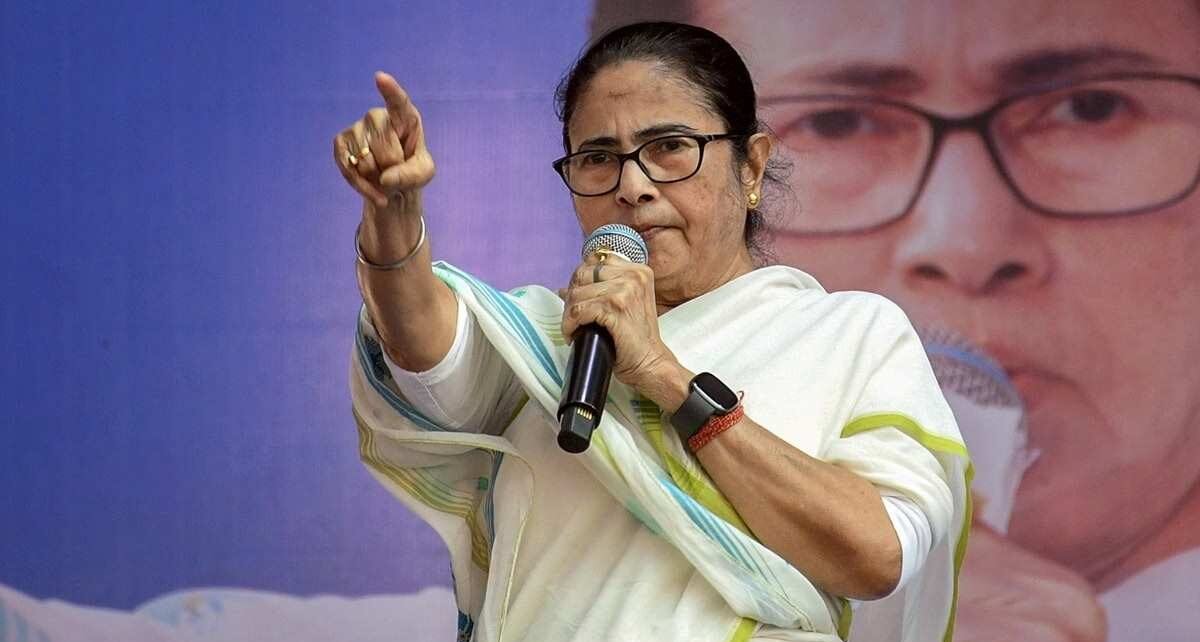
A month after the West Bengal Assembly election results, Chief Minister Mamata Banerjee and her party, the All India Trinamool Congress, are grappling with one of the most significant political reversals in their history.
For a leader known for her resilience, combative style, and deep connection with Bengal’s electorate, the developments of the past month have marked a dramatic shift in the state’s political landscape.
Just weeks ago, Banerjee stood firmly at the helm of a dominant Trinamool Congress, backed by a powerful legislative majority. However, the party suffered a crushing defeat in the Assembly elections, with the Bharatiya Janata Party emerging as the clear victor and significantly reshaping the balance of power in the state.
The electoral setback was compounded by a personal blow to Mamata Banerjee. She lost the high-profile Bhabanipur constituency to her long-time political rival Suvendu Adhikari, a constituency widely regarded as her political stronghold.
Political observers view the result as a watershed moment in West Bengal politics, signaling a major challenge to Mamata Banerjee’s leadership and raising questions about the future direction of the Trinamool Congress. The dramatic decline in the party’s legislative strength—from 215 seats to just 20—has intensified debates over the reasons behind the defeat and the party’s strategy for rebuilding its political base.
As the opposition gains momentum, Mamata and the Trinamool Congress now face the task of regrouping and redefining their role in a rapidly changing political environment. The coming months are expected to be crucial in determining whether the party can recover from its worst electoral setback in recent memory.