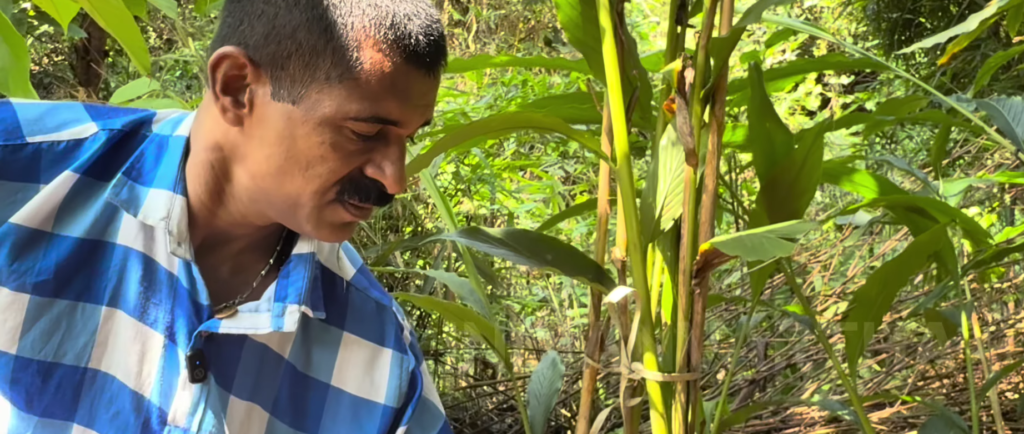
With over 65 varieties of fruits, 45 varieties of mangoes and innovative experiments in cardamom and pepper cultivation, Sojimon Antony is redefining farming possibilities in Kerala.
THRISSUR: Cardamom cultivation, traditionally associated with the cool climatic conditions of Idukki and Wayanad, is finding a new home in the soil of Thrissur. Sojimon Antony, a farmer from Chathanchira near Wadakkanchery, has demonstrated that cardamom can also be cultivated in Thrissur with proper care and suitable growing conditions.
Spread across 18 acres, his farm is home to more than 65 varieties of fruits and over 45 varieties of mangoes. An agricultural consultant by profession, Sojimon has also ventured into fish farming and dairy farming, creating a diverse agricultural ecosystem.
He has been actively managing the farm for the past 20 years. Apart from cultivating different crops, he also helps other farmers establish and maintain farms and gardens. His services include garden development, annual maintenance, agricultural consultancy, farm planning and technical guidance. He also conducts agriculture-related classes in association with the government.
45 varieties of mangoes under one roof
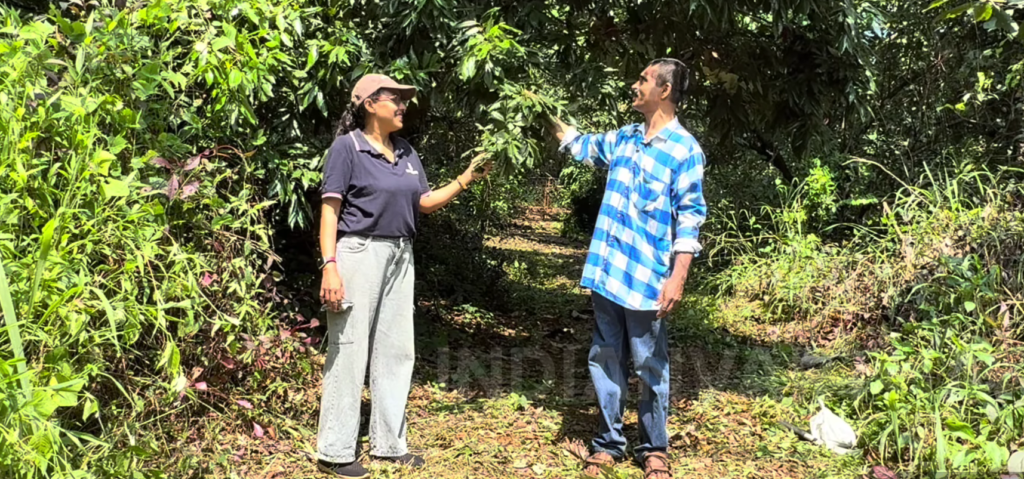
One of the major attractions of Sojimon’s farm is its impressive collection of mango varieties. Sindhoor, Malgova, Mallika, Bangalore, Himapasand, Kalapadi, Banganapalli, Moovandan and Alphonso are among the varieties cultivated here, along with several indigenous mango varieties.
The authenticity of the saplings is another notable feature. Sojimon travels to places famous for particular mango varieties and purchases genuine saplings directly from those regions.
He has also undertaken experimental cultivation of lychee and expects the trees to start bearing fruit next year.
Cardamom cultivation in the plains of Thrissur
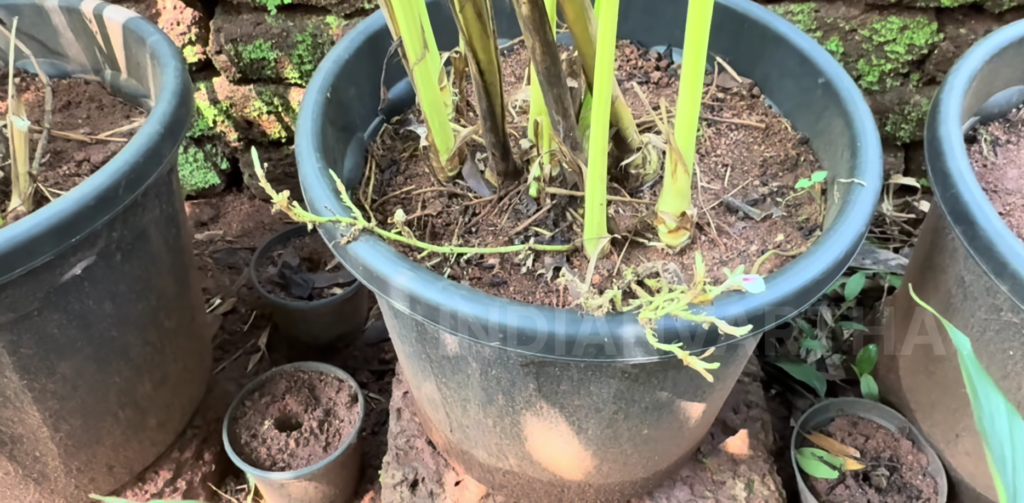
One of his most interesting experiments is the cultivation of cardamom, which he has been pursuing for the past four years. Traditionally grown in the cooler high-altitude regions of Idukki and Wayanad, cardamom is now being cultivated in his farm in Thrissur.
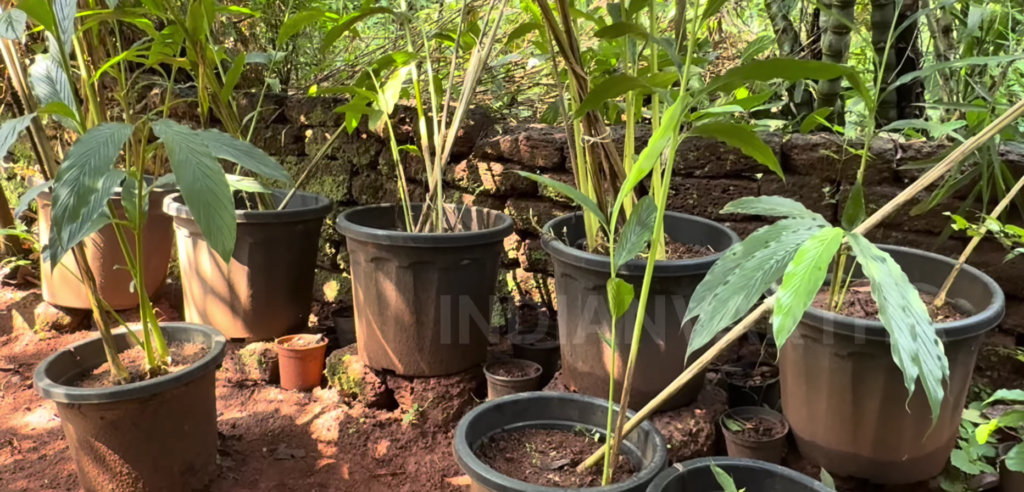
Instead of growing the crop directly in the soil, he uses large pots and provides the plants with the necessary care and growing conditions. His experiment demonstrates the possibility of cultivating cardamom even outside its traditional growing regions.
Spiders as natural pest controllers
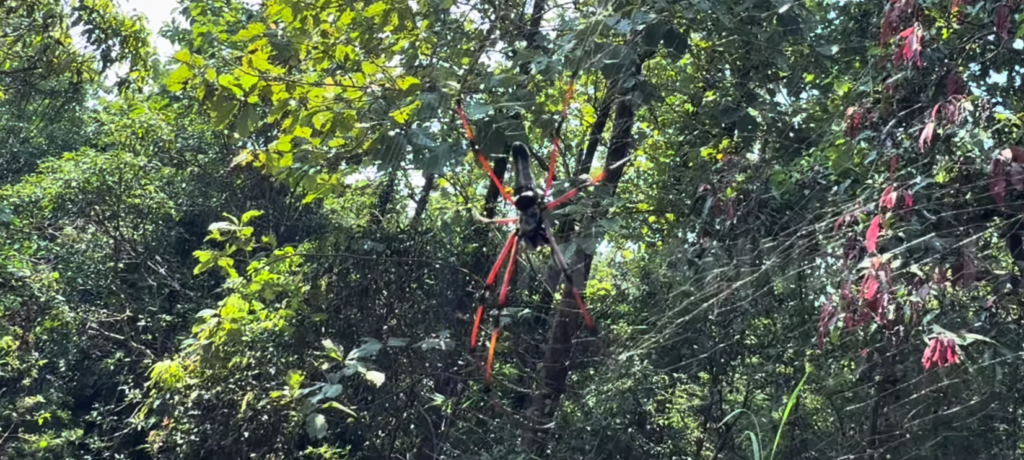
Sojimon also follows environmentally friendly farming practices. Spiders, which act as beneficial organisms in the agricultural ecosystem, are allowed to thrive on the farm.
According to him, insects trapped in spider webs help control pest populations to a certain extent. This natural approach reduces the need to depend entirely on chemical pest-control methods.
200 rambutan trees and the challenge of wildlife
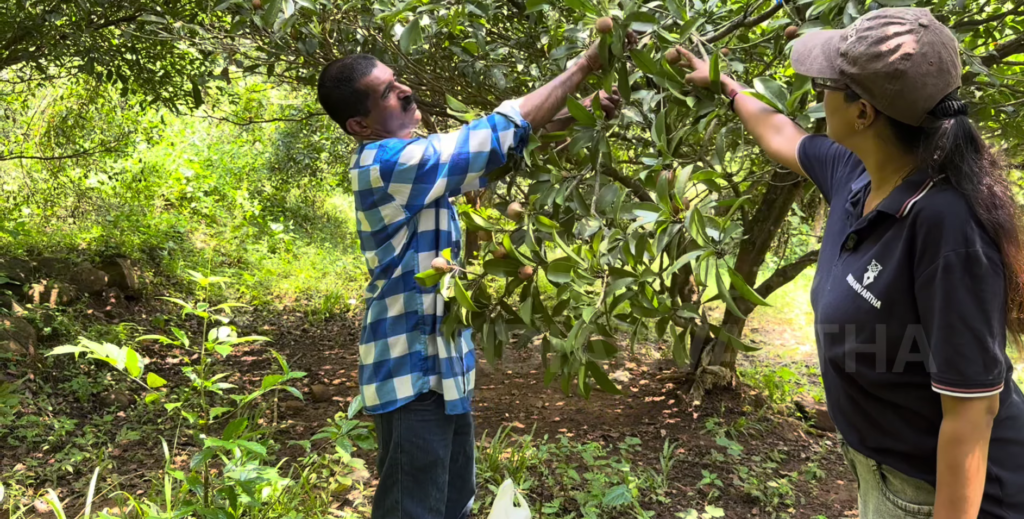
The farm also has around 200 rambutan trees. However, wildlife intrusion has become a major concern for the farmer. Giant squirrels, civet cats and monkeys frequently damage the fruits, causing considerable losses.
Despite these challenges, Sojimon continues to explore new possibilities in fruit cultivation.
Cocoa cultivation for chocolate production
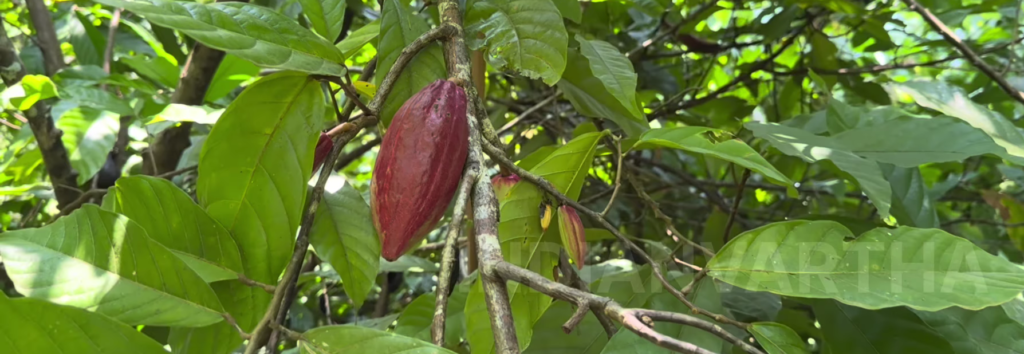
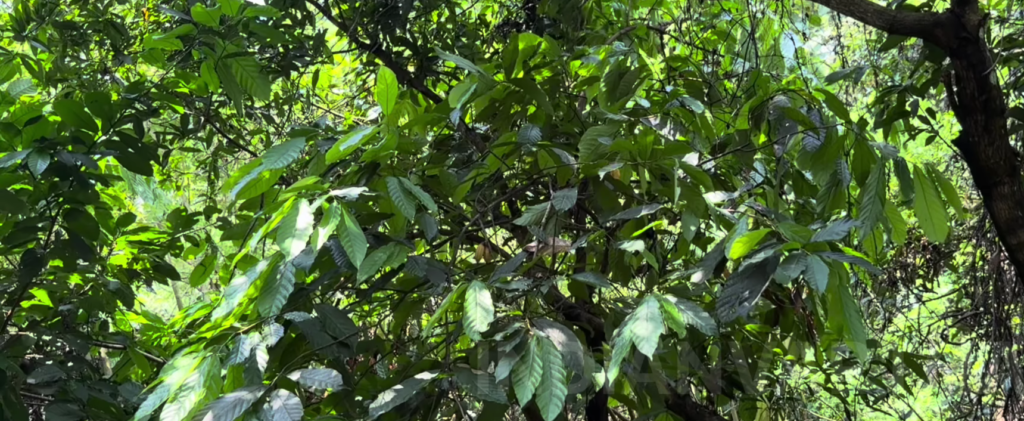
Cocoa is another important crop grown on the farm. Five varieties of cocoa are cultivated using saplings supplied by the Kerala Agricultural University.
The cocoa harvested from the farm is transported to the Cadbury factory at Mannuthy for chocolate production. Some of the cocoa pods weigh more than one kilogram, making them a notable feature of the farm.
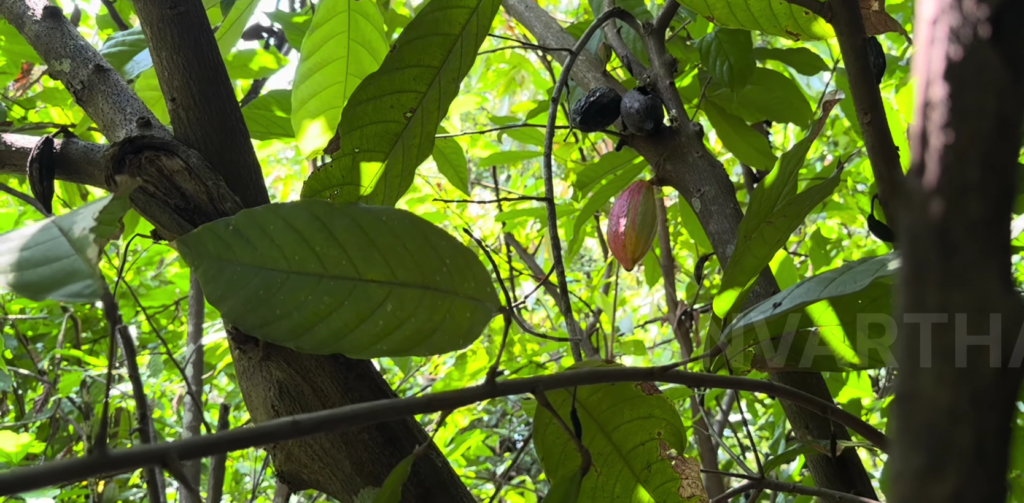
Apart from cocoa, the farm also cultivates fruits such as figs, mangosteen and sapota. Since Sojimon regularly develops farms and gardens for other people, his own property also serves as an experimental centre for testing different agricultural methods.
A unique pepper variety developed through experimentation
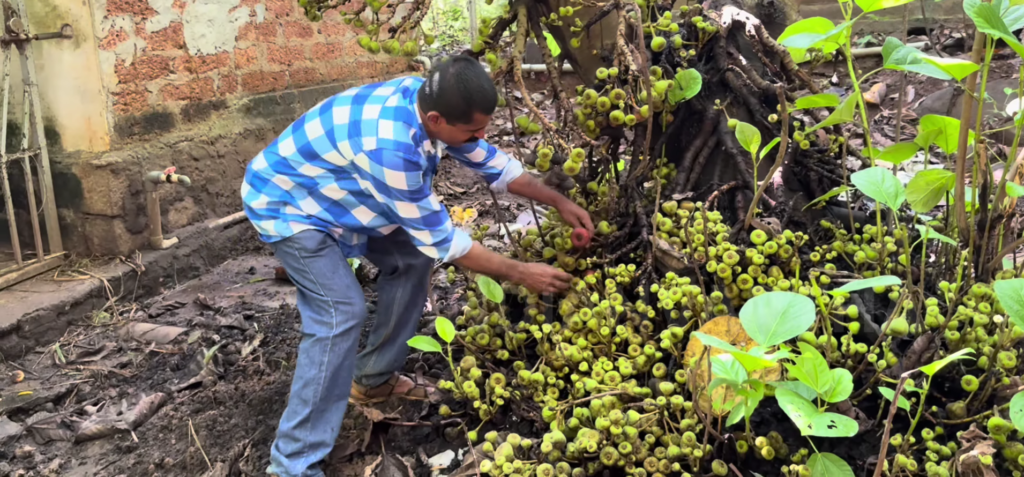
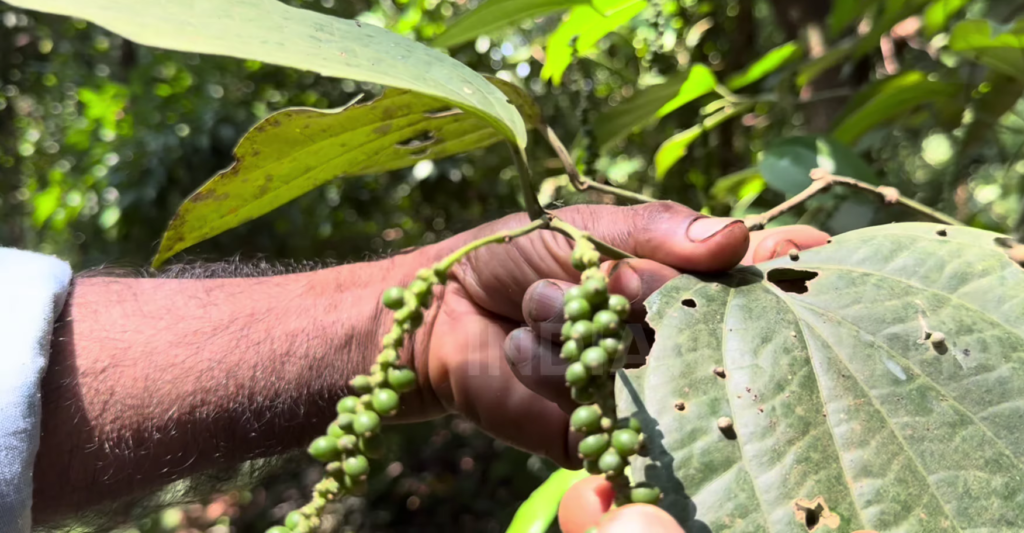
Sojimon has also been experimenting with pepper cultivation. He grows a variety developed by crossbreeding Panniyur Vannu and Neelamundi pepper varieties.
The distinguishing feature of this variety is that a single pepper spike branches into two. The spikes are also larger than those of conventional varieties.
According to Sojimon, the experimental variety produces around 33 per cent more yield than ordinary pepper. After nearly 15 years of experimentation, he plans to introduce the variety on a commercial scale next year.
Natural fish farming in a large pond
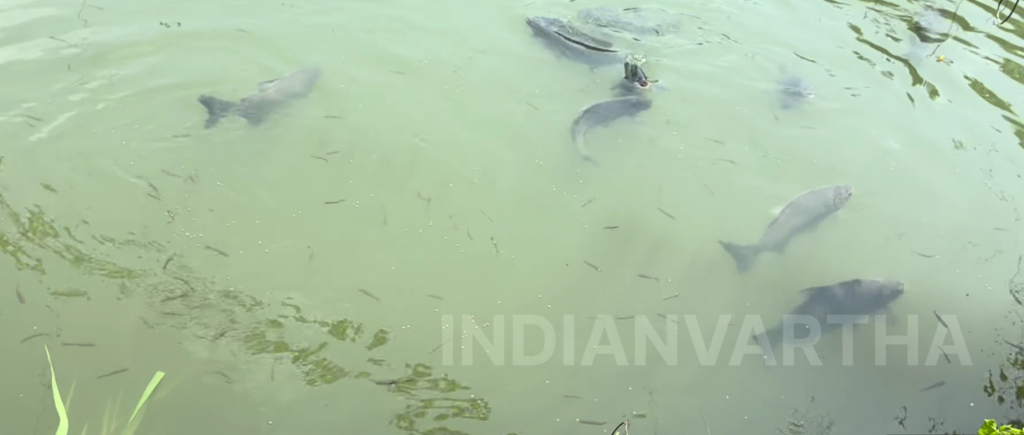
A large pond is another attraction of the farm, where several varieties of fish are raised in natural conditions.
Catla, Rohu, Grass Carp, Nattar, Karimeen and Anabas are among the varieties cultivated in the pond. Special enclosures have also been arranged to facilitate fish breeding.
Instead of depending entirely on conventional fish feed, Sojimon uses locally available creepers and fruits as feed. He believes that this natural feeding method gives the fish a distinctive taste.
The farm follows a staggered harvesting system, with different batches of fish raised for harvesting at different intervals.
Mixed farming ensures sustainable income
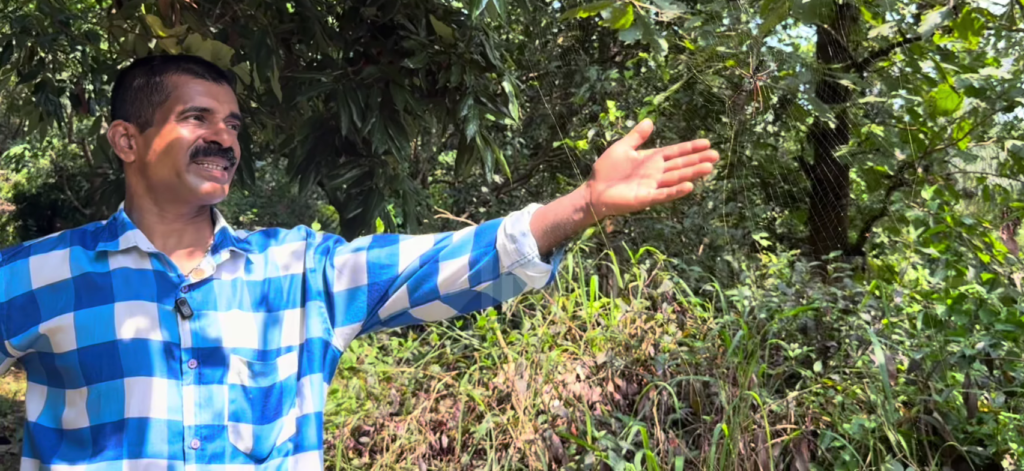
Sojimon follows a mixed farming system, cultivating several crops instead of depending on a single agricultural product.
This approach helps farmers reduce financial risks. If the market price of one crop falls or its production declines, income from other crops can help compensate for the loss.
He also gives considerable importance to high-density farming. The presence of large trees creates a cooler environment beneath the canopy by limiting direct sunlight. The farm consequently maintains a microclimate similar to that of a forest, while also helping reduce weed growth.
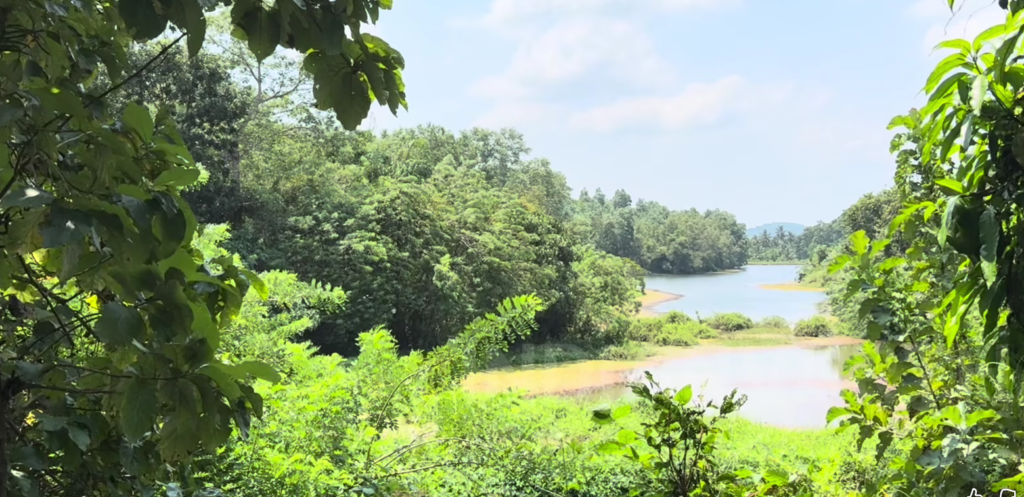
Small streams flowing through the property further enhance the natural environment. The scenic view of Chathanchira from the farm adds to its charm.
Technology enables remote farm management
Apart from traditional and experimental farming, Sojimon also helps establish technologically advanced farms.
His systems are designed to enable owners to monitor and manage their farms remotely, even while staying abroad. Surveillance cameras and sprinkler irrigation facilities are among the technologies installed.
He also provides solutions for farms located in areas without regular electricity supply, helping farmers adopt modern agricultural practices with greater convenience.
Turning a farm into a centre for innovation
Sojimon Antony’s 18-acre farm is more than a conventional agricultural property. It has evolved into a centre for experimentation, innovation and knowledge-sharing.
From cultivating cardamom in the plains of Thrissur to developing new pepper varieties and maintaining an extensive collection of fruit trees, his efforts demonstrate the possibilities of diversified farming.
By sharing his experience and helping other farmers establish their own farms, Sojimon is also encouraging more people to explore agriculture as a sustainable livelihood. His journey stands as an example of how innovation, scientific care and long-term commitment can create new opportunities in farming.