
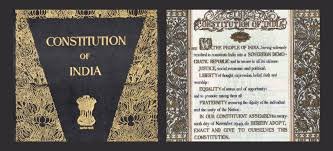
The Indian Constitution contains 12 Schedules dealing with various aspects of governance, including the territorial boundaries of states, salaries and allowances of constitutional authorities, official oaths, language recognition and the distribution of powers between the Union and the states.
The First Schedule lists the states and Union Territories and their territorial extent, while the Second Schedule deals with the salaries, allowances and privileges of specified constitutional authorities. The Third Schedule prescribes forms of oaths and affirmations, and the Fourth Schedule provides for the allocation of Rajya Sabha seats.
The Fifth and Sixth Schedules deal with the administration of Scheduled Areas and tribal areas. The Seventh Schedule divides legislative powers between the Union and the states through the Union, State and Concurrent Lists. The Eighth Schedule recognises 22 languages.
The Ninth Schedule contains certain laws, including land reform legislation. The Tenth Schedule provides for disqualification of legislators on grounds of defection. The Eleventh Schedule lists subjects related to Panchayats, while the Twelfth Schedule covers the functions of municipalities.
These Schedules, read alongside the relevant constitutional articles, provide a framework for India’s administration, legislative powers and local self-government.