By M. A. Sudheer Babu, Pattambi, Agricultural Journalist
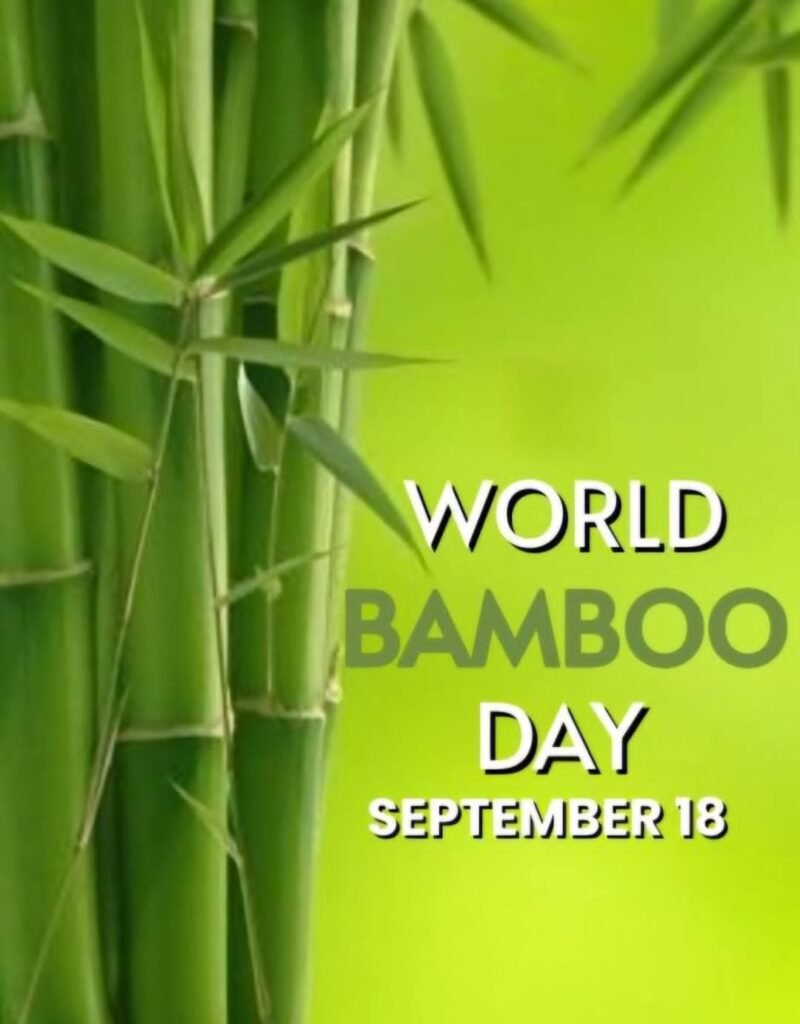
September 18 is observed as International Bamboo Day, an occasion led by the World Bamboo Organization to highlight the importance, potential and diverse uses of bamboo across the world. This year’s theme, “Bamboo Beyond Borders,” focuses on expanding the use and possibilities of bamboo across geographical and economic boundaries.International Bamboo Day has been observed since 2009, and this year marks its 17th edition. The day aims to create greater awareness about bamboo and promote its cultivation, conservation, research and sustainable utilisation.
China has the largest area under bamboo cultivation in the world, followed by India. Japan and Thailand are also among the countries with significant bamboo resources and cultivation.Bamboo is no longer viewed merely as a wild forest plant. It has increasingly emerged as an important agricultural and industrial crop with considerable economic potential. Its applications are diverse, ranging from construction and furniture to paper production, handicrafts and decorative products.There are thousands of bamboo varieties, ranging from giant bamboo species to smaller varieties. Bamboo can be used to make houses, furniture, bags, baskets, winnowing trays, mats, curtains and a wide range of household and decorative products.
Its versatility has made it an increasingly valuable natural resource. Environmental ImportanceBamboo also has significant ecological benefits. Its extensive root system helps strengthen soil and reduce erosion. Bamboo plantations can contribute to rainwater infiltration and help improve groundwater recharge.
Planting bamboo along riverbanks can also help prevent soil from being washed away. Areas along the Bharathapuzha River that are vulnerable to erosion could benefit from suitable bamboo plantations to strengthen the riverbanks.
Bamboo can also play a role in reducing the risk of landslides and soil erosion when planted appropriately in vulnerable areas. At the same time, bamboo groves provide habitats for several species of wildlife. Snakes, mongooses and various birds are among the animals that may use bamboo groves for shelter and habitat. Bamboo is also an important food source for elephants and several other animals in forest ecosystems.
Bamboo as FoodBamboo has nutritional as well as industrial value. Young bamboo shoots can be cooked and used in dishes such as thoran and pickles. In some regions, bamboo flowering is followed by the production of bamboo rice, which is valued for its nutritional and traditional medicinal significance.
Growing Global InterestBamboo research, cultivation and promotion are receiving increasing attention at the global level. Efforts are also being made to encourage cultivation and conservation and to expand awareness of the economic opportunities associated with bamboo.
In India, International Bamboo Day is being observed on a large scale at institutions and centres including the National Institute of Design in Ahmedabad, Gujarat, and Jorhat in Assam.
The day also provides an opportunity to recognise and support traditional communities whose livelihoods depend on bamboo and related crafts. Schools and colleges can play an important role by educating students about bamboo, its ecological importance and its economic potential.
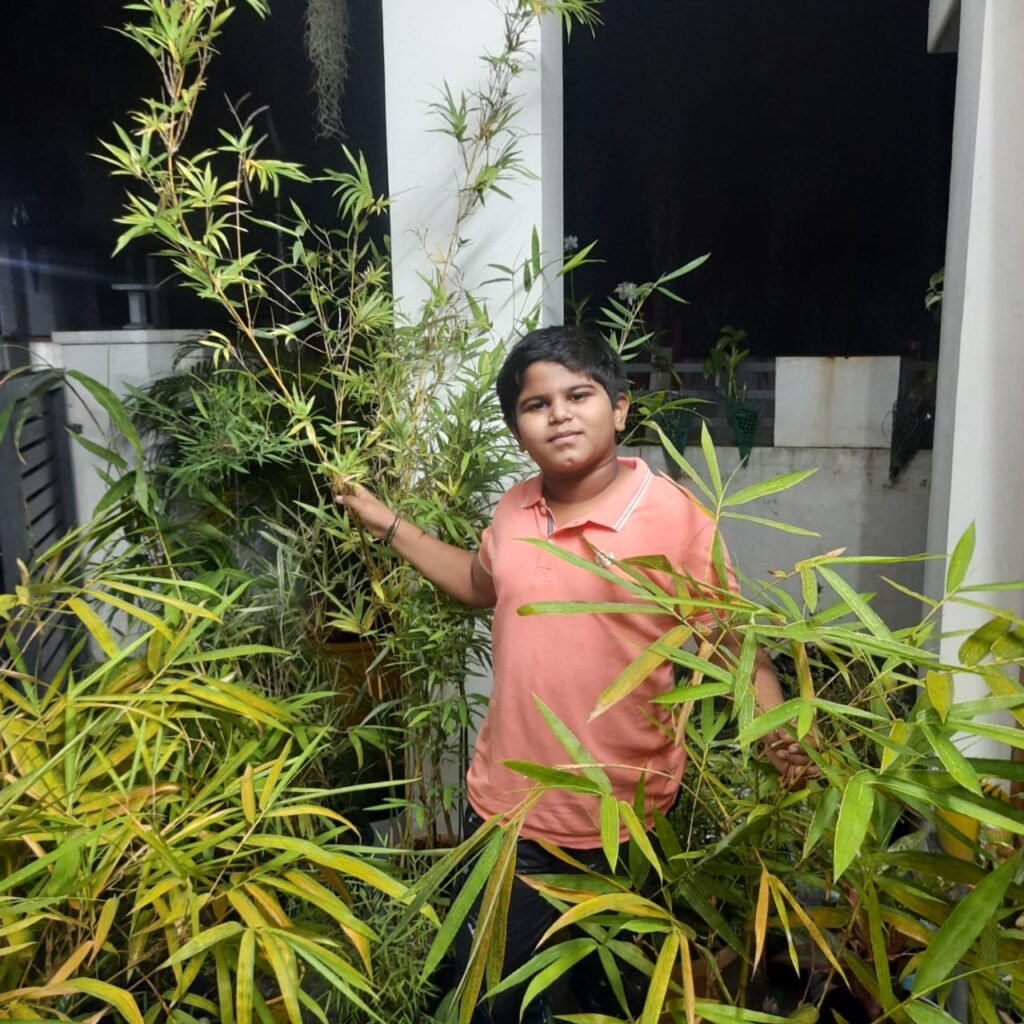
Neeraj M. Sudheer, a Class 8 student of Chinmaya School, Kolazhy, growing bamboo plants in pots.
Need to Promote Bamboo CultivationGreater attention is needed at the grassroots level to promote bamboo cultivation. Farmers should be made aware of the possibilities of bamboo farming and the assistance available through government initiatives, including the Bamboo Mission.
More research into bamboo cultivation, large-scale production of quality planting material and the development of value-added bamboo products can further strengthen the sector.
One practical initiative could be the establishment of model bamboo plantations in every grama panchayat, particularly on barren or unused land. Different bamboo varieties could be cultivated in these demonstration plots to familiarise farmers and local communities with their characteristics and potential uses.Bamboo is one of the fastest-growing plants in the grass family. With its combination of environmental benefits, economic value, food potential and industrial applications, it offers opportunities that extend far beyond its traditional uses.
International Bamboo Day is therefore not merely a day to celebrate bamboo, but also an occasion to recognise its potential as a sustainable resource for agriculture, livelihoods, industry and environmental conservation.