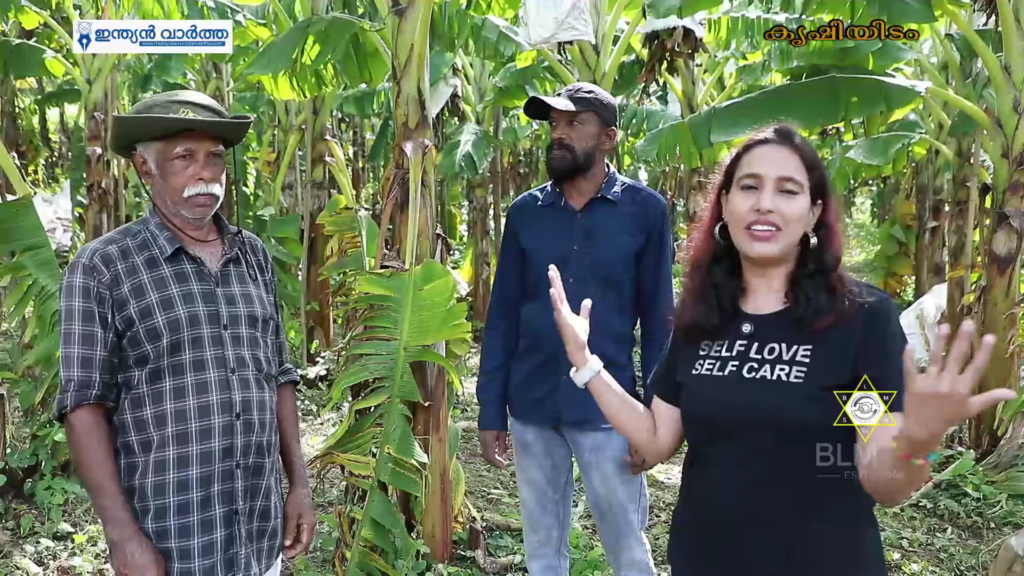
THRISSUR: For three friends in Varavoor, farming is more than a livelihood — it is a way to serve society by producing safe and chemical-free food.
Led by the Varavoor Consumer-Farmer Coordination Committee, Shankaran, Sethumadhavan and Nandakumar are cultivating around 13 acres of land, with banana, fodder grass and flowers as the major crops. The farming initiative has gained attention for its focus on organic and environmentally friendly practices.
With the Onam market in mind, nearly 5,000 banana plants have been cultivated, including Nendran varieties such as Nedunendran, Aattunendran and Changalikodan, along with Robusta. Crops such as cowpea, bitter gourd and tapioca have already been harvested, while flower cultivation has also been taken up for the festive season.
Around 90% organic farming
The group follows predominantly organic farming methods, although Shankaran says they do not claim it to be completely organic because chemical fertilisers such as urea were used during the initial stages.
“Farming is not just a business for us; it is also a service. Our main goal is to provide people with safe and chemical-free food,” Shankaran said.
The farmers mainly use cow urine and slurry as organic inputs. Poultry manure is also used during the early stages of banana cultivation. A drip irrigation system costing around Rs 2 lakh helps supply water and nutrients efficiently to the plants.
Journey began in 2012
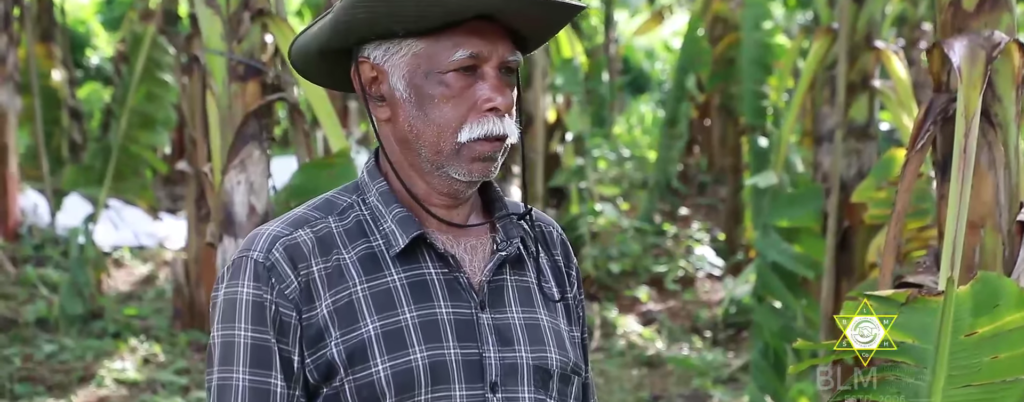
The group’s farming journey began in 2012, inspired by the concept of zero-budget natural farming. The first cultivation was carried out on three acres with 11 members from different parts of Thrissur district.
The successful harvest encouraged the group to continue organic farming. The team has since expanded its cultivation, with Shankaran, Sethumadhavan and Nandakumar managing the major activities over the past four years.
The present farmland, which was once overgrown with vegetation, has been transformed into a productive agricultural area. Fodder grass and marigold are also cultivated alongside bananas.
Farm and field work together
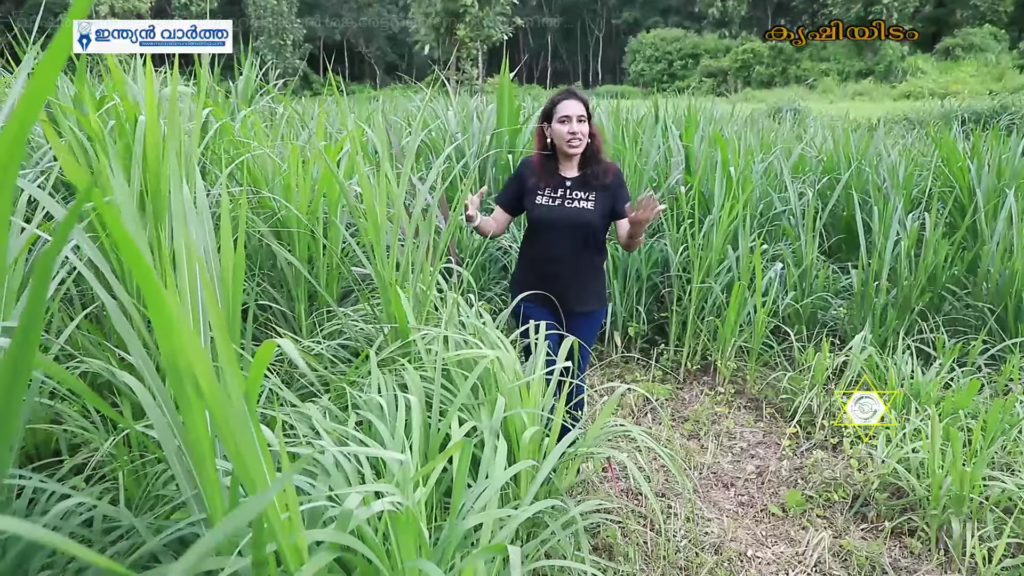
Sethumadhavan and Nandakumar also own farms, and fodder cultivated on the land is supplied to their livestock. In return, organic manure from the farms is used in the fields.
Cow dung and urine from Vechur cattle, along with natural mixtures prepared using ingredients such as fruits, jaggery and soil, are used as organic inputs. This creates a sustainable cycle in which farm waste is converted into a resource for cultivation.
Focus on vegetables and better marketing
The group plans to expand into regular vegetable cultivation in the future. However, Shankaran believes that successful farming alone cannot ensure a secure livelihood for farmers.
According to him, farmers must be able to sell their produce directly to consumers without depending heavily on middlemen and receive a fair price. The group therefore believes that marketing should receive as much attention as production.
Despite challenges including strong winds, heavy rain, floods and wildlife attacks, the three friends continue their farming journey, hoping to promote healthier food, sustainable agriculture and greater food security through their 13-acre model.