By M. A. Sudheer Babu, Pattambi
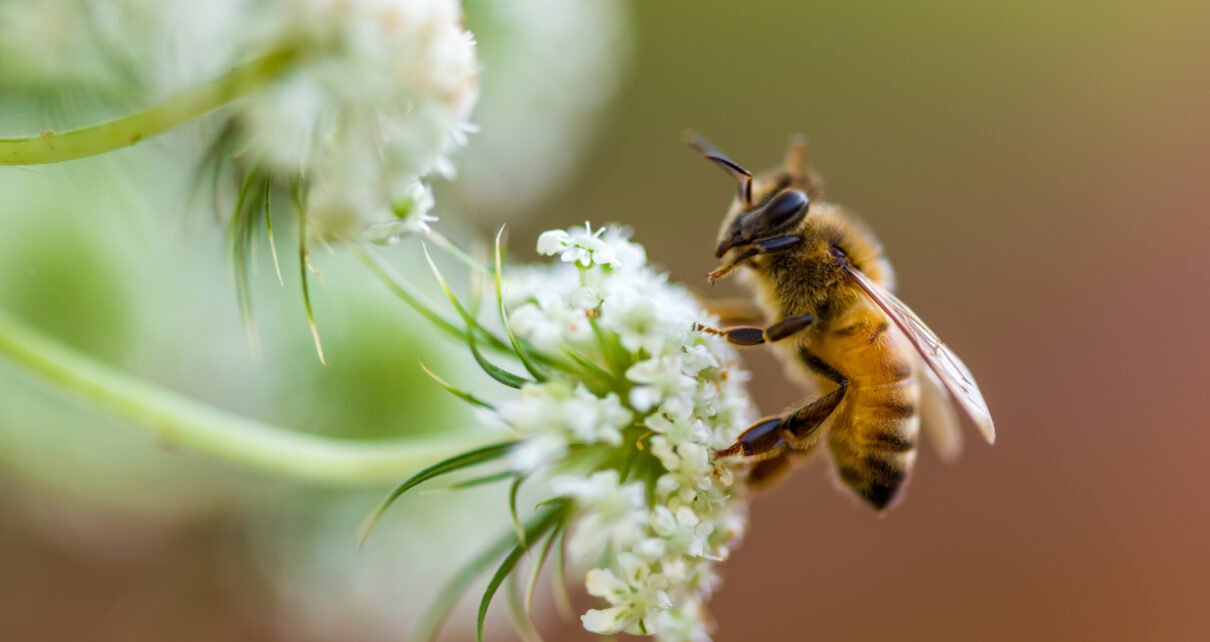
Honey bees are among the most socially organised insects on Earth and play a vital role in maintaining ecological balance. They are among the most efficient pollinators of agricultural crops and wild plant species. Recognising their importance in ensuring global food security, biodiversity, and environmental sustainability, the United Nations observes World Bee Day every year on May 20.
The date marks the birth anniversary of Anton Janša, a renowned Slovenian beekeeper and pioneer of modern apiculture. This year’s World Bee Day theme is “Bee Together for People and Planet”, highlighting the critical role bees play in sustaining life on Earth.
Bees are essential for the pollination of flowering plants, fruits, vegetables, and seed-producing crops. Without pollination, agricultural productivity would decline drastically, threatening food supplies worldwide. China is currently the world’s largest honey producer, followed by Turkey, Iran, and India.
Beyond bees, several other pollinators such as butterflies, beetles, moths, dragonflies, wasps, and even bats contribute significantly to maintaining ecosystems. Their role in supporting agriculture, wildlife, and environmental health is beyond measure.
Anton Janša’s contributions transformed beekeeping practices globally, which is why the United Nations chose his birthday to honour bees and raise awareness about their protection. However, climate change has become a major threat to bee populations. Rising temperatures, habitat destruction, and excessive pesticide use are causing bee deaths and reducing honey production across the world.
Many plants are now failing to flower properly, and even when flowers bloom, insufficient pollination leads to poor fruit and seed formation. Scientists and environmentalists warn that without pollinators, the global food chain itself could collapse.
According to the United States Department of Agriculture, bees contribute pollination services worth nearly USD 14 billion annually to agriculture. Their economic and ecological value is immense. If pollinators disappear due to environmental damage and chemical pollution, food production would decline sharply, leading to famine, poverty, and crop failures.
Kerala has strong potential for scientific beekeeping and honey production. Farmers can place bee boxes in farms, plantations, and rubber estates to increase honey production while also improving crop pollination. In Kerala, organisations such as Horticorp already support honey collection and marketing while offering training programmes to farmers.
Honey production through beekeeping is often referred to as the “Sweet Revolution.” Rubber plantations in Kerala are especially suitable for apiculture during the January-April flowering season. Scientific honey processing and value addition can also generate employment opportunities in rural areas.
Honey, often described as “Nature’s Liquid Gold,” has long been valued for its medicinal and nutritional benefits. Ancient religious texts from various faiths mention the importance of honey. Apart from large honey bees, smaller medicinal bee species can also be cultivated using simple methods involving clay pots and bamboo structures.
Experts believe that Kerala’s coconut groves, rubber plantations, and household farms can become major centres of honey production if proper training and support are provided. Institutions such as the Kerala Agricultural University can help train young people and women in honey production, processing, and marketing.
One hectare of rubber plantation can support nearly ten bee boxes, each capable of producing 10 to 15 kilograms of honey. Since beekeeping requires relatively low investment and offers good returns, it can become a sustainable livelihood option for rural communities.
Environmental experts warn that unless urgent steps are taken to protect bees and other pollinators, the future may witness severe food shortages, crop failures, and ecological collapse. Protecting pollinators is not merely an agricultural concern but a necessity for the survival of humanity and the planet itself.
M. A. Sudheer Babu from Pattambi has been writing agricultural articles, farming-related programmes, and online media content for various print, visual, and audio media platforms in Kerala for the past 33 years. He served as an officer at the State Farming Corporation of Kerala for nearly 10 years and is currently serving as the District Soil Survey Officer in Kozhikode.