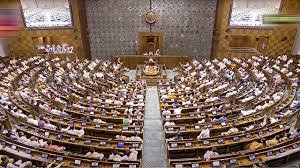
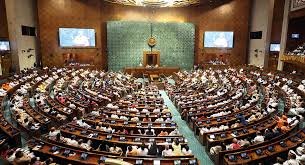
The Lok Sabha on Tuesday passed the Centre’s new Nuclear Energy Bill (Shanti Bill) after an intense debate lasting over six hours, amid strong opposition protests and a walkout by Opposition members. The government pushed the Bill through despite sharp criticism over its potential long-term implications for nuclear safety and national interest.
Opposition parties alleged that the Bill would have far-reaching consequences for nuclear security, arguing that it weakens accountability and exposes the country to serious risks. They objected particularly to provisions that open India’s nuclear sector fully to private and foreign companies, allowing up to 100 per cent participation.
A major point of contention was the Bill’s liability framework for nuclear accidents. The legislation exempts suppliers from all liability in the event of a nuclear disaster and caps the maximum compensation at USD 410 million. Opposition members demanded stronger safeguards, including raising the compensation limit from 300 million Special Drawing Rights (SDR) to 500 million SDR, but these amendments were rejected through a voice vote.
Congress leader K C Venugopal criticised the government for disregarding dissent, stating that the Nuclear Energy Bill and the Employment Guarantee Bill were listed as the 27th and 28th agenda items and passed without adequately addressing Opposition concerns.
Despite the uproar and walkout, the government maintained that the Bill is essential for accelerating nuclear power development and meeting India’s growing energy needs, clearing the way for greater private and foreign investment in the sector.