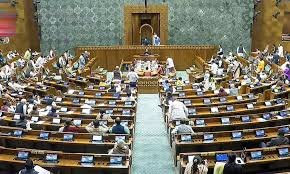
New Delhi: In a major reform move, the Lok Sabha on Tuesday passed the Insurance Laws (Amendment) Bill, 2025, allowing up to 100 per cent Foreign Direct Investment (FDI) in the insurance sector. The decision marks a significant jump from the existing 74 per cent FDI cap and is expected to attract higher capital inflows while accelerating insurance coverage across the country.
The Union government said the reform will strengthen the insurance ecosystem by enhancing competition, improving ease of doing business, and empowering the insurance regulator to curb unlawful practices by insurers and intermediaries.
Introducing the Bill, Finance Minister Nirmala Sitharaman said increased competition in the sector would directly benefit consumers through lower premium rates and a wider choice of insurance products.
“Competition naturally brings prices down. Monopolies do not offer that advantage. As competition increases, pricing improves,” she told the Lok Sabha.
Highlighting the limited impact of the current FDI cap, Sitharaman noted that despite the 74 per cent limit, only four insurance companies have attracted foreign investment at that level. Among the country’s 40 insurance companies, 10 have foreign investment below 26 per cent, 23 fall in the 26–49 per cent range, and only three companies have FDI between 49 and 74 per cent.
The Bill also aims to create a level playing field for domestic and foreign insurers and intermediaries, while significantly strengthening the enforcement powers of the insurance regulator. Under the new provisions, the regulator will be authorised to recover wrongful gains made by companies violating regulations.
In a move to tighten compliance, the legislation proposes harsher penalties for violations. The maximum fine has been raised from ₹1 crore to ₹10 crore, and for the first time, insurance intermediaries will also be brought under the penalty framework.
The government said the reforms will modernise the insurance sector, deepen market penetration, and make insurance more accessible and affordable for millions of Indians.