
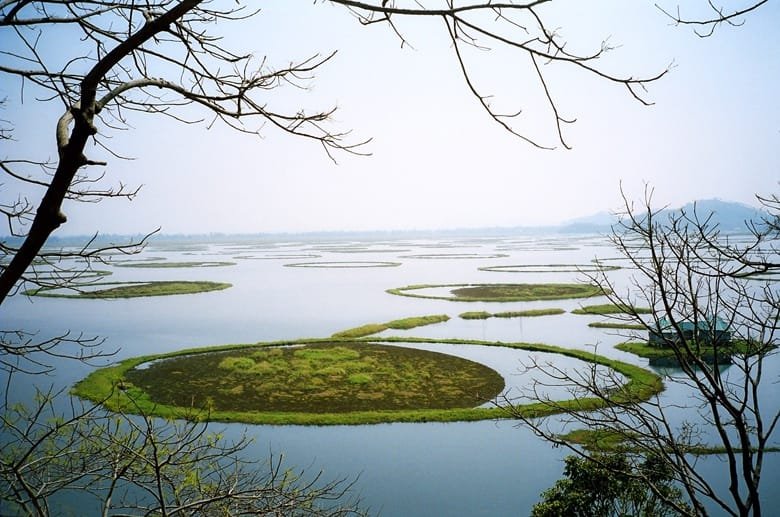
India’s network of Ramsar Sites has expanded nearly fourfold since 2014, increasing from 26 to 103 wetlands of international importance, covering more than 13.87 lakh hectares across 28 States and Union Territories.
India ranks first in Asia and third globally in the number of designated Ramsar Sites. These wetlands play a vital role in conserving biodiversity, reducing flood risks, replenishing groundwater and supporting local livelihoods.
India joined the Ramsar Convention in 1982. The government promotes wetland conservation through initiatives such as the National Plan for Conservation of Aquatic Ecosystems (NPCA), Amrit Dharohar, MISHTI and Mission Sahbhagita.
The designation process begins with the identification of a suitable wetland by the respective State Government or Union Territory Administration, followed by coordination and approval through the Union Environment Ministry.