
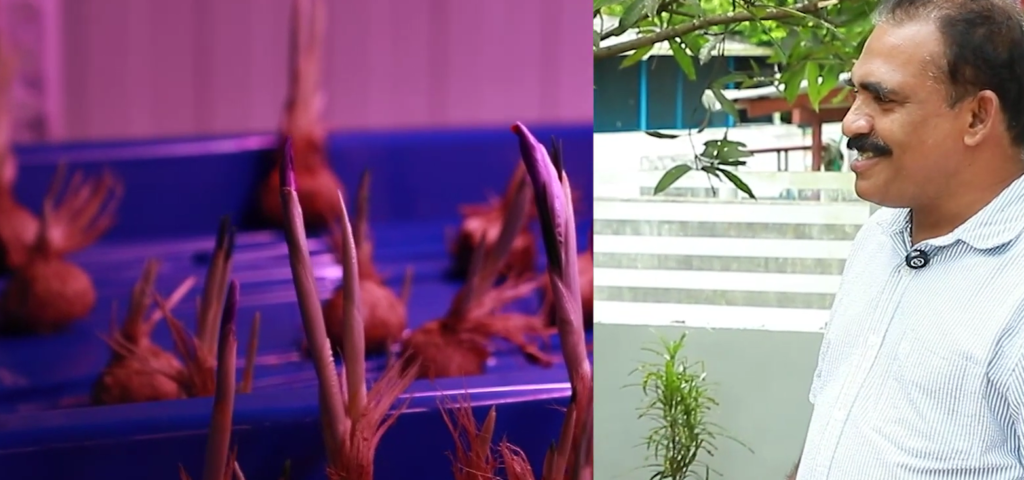
Thrissur: Saffron, one of the world’s most expensive spices, is traditionally associated with the cool climate of Kashmir. But James, a resident of Puthur in Thrissur, is experimenting with growing the spice in Kerala by using technology to overcome the state’s warm and humid climate.
James has set up a soil-free saffron cultivation system on the terrace of his house, creating a controlled environment similar to the conditions required for saffron cultivation in Kashmir. His experiment has opened up new possibilities for growing the high-value spice in Kerala.
From exports to saffron cultivation
James, who has been involved in the export of agricultural products such as rice and vegetables, began exploring saffron cultivation after looking for a relatively less-explored business opportunity.
He spent more than a year studying different saffron cultivation methods and visited growers in Kashmir, Bengaluru, Wayanad, Pune and Gujarat to understand their practices. He also studied both conventional soil-based cultivation and technology-driven methods.
An acre’s potential in 350 sq ft
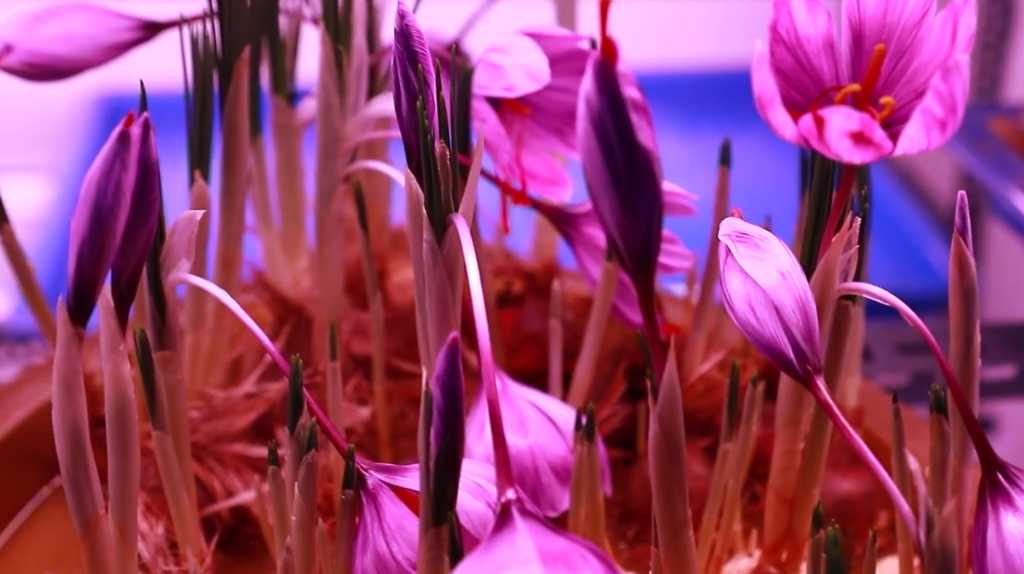
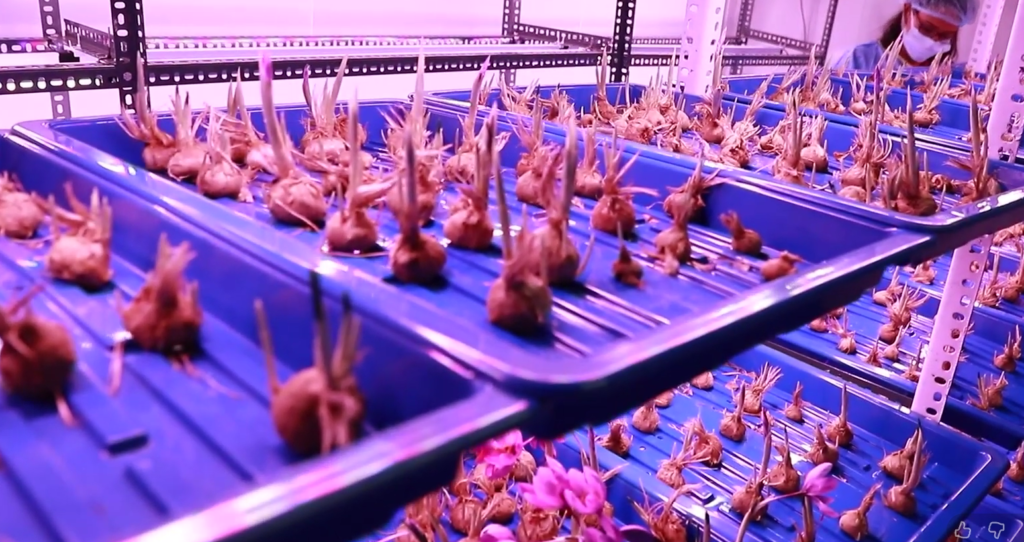
One of the main features of James’ cultivation method is that it does not use soil. He is growing saffron in a controlled environment on around 350 square feet of terrace space, aiming to replicate the conditions of conventional cultivation on a much smaller area.
Since saffron is sensitive to changes in temperature and humidity, these factors need to be carefully controlled.
“Entering saffron cultivation without proper study can lead to losses. Understanding temperature and humidity accurately is very important,” James said.
Kashmir-like climate created artificially
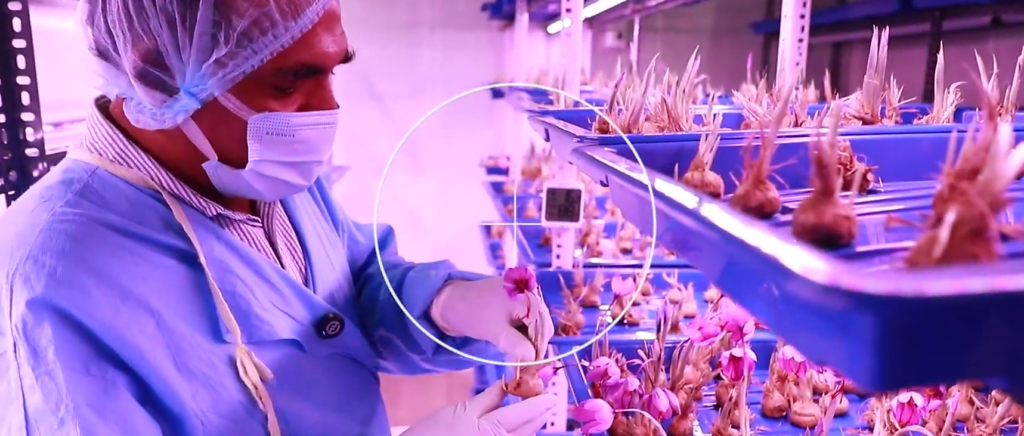
A controlled environment has been created to make Kerala’s conditions suitable for saffron cultivation. A chiller plant has been installed to regulate temperature, while puff panels help maintain the required indoor conditions.
The facility also has irrigation systems and grow lights. An aeroponic system has been installed, while James said he has also successfully experimented with hydroponic cultivation.
He plans to expand cultivation using hydroponic and aeroponic systems in the next phase.
Flowers in six to eight weeks
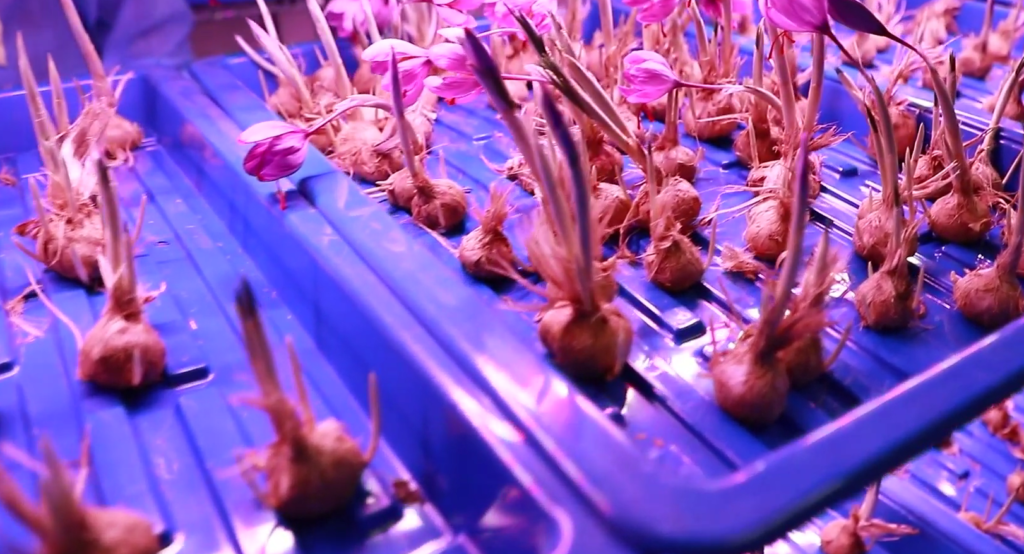
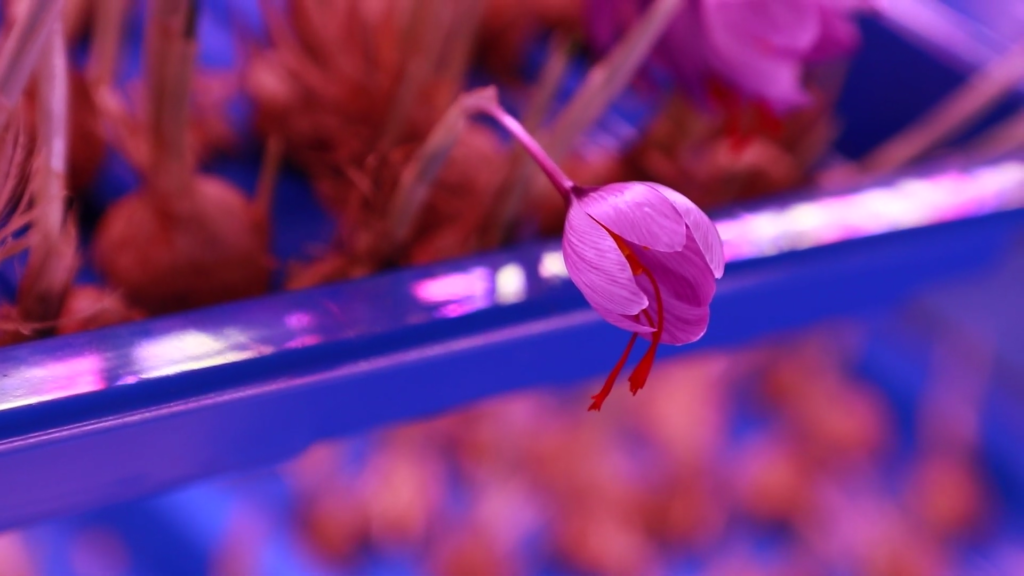
James uses saffron seeds sourced from Kashmir. The flowers generally bloom within six to eight weeks, with harvesting carried out within about two days of flowering. Harvesting can continue for around two months.
He has currently set up production using 500 kg of seed and expects to obtain around 500 to 750 grams of saffron.
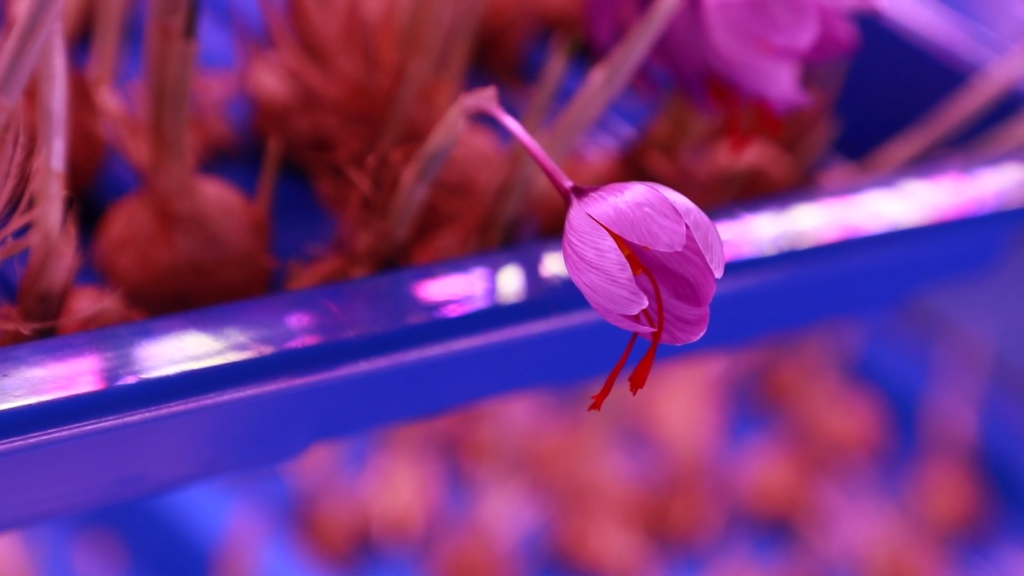
The stigma inside the flower has the main commercial value, while the petals also have a market.
Investment and market potential
James believes Indian saffron, particularly Kashmiri saffron, has strong market potential because of its quality and value. He said consumers who understand the quality of saffron are showing interest in his produce.
According to his estimate, a project may require an initial investment of around Rs 20 lakh, with running costs of about Rs 15 lakh. Based on his experience, the investment could potentially be recovered within one or two years if cultivation is managed properly and good yields are achieved.
Careful monitoring essential
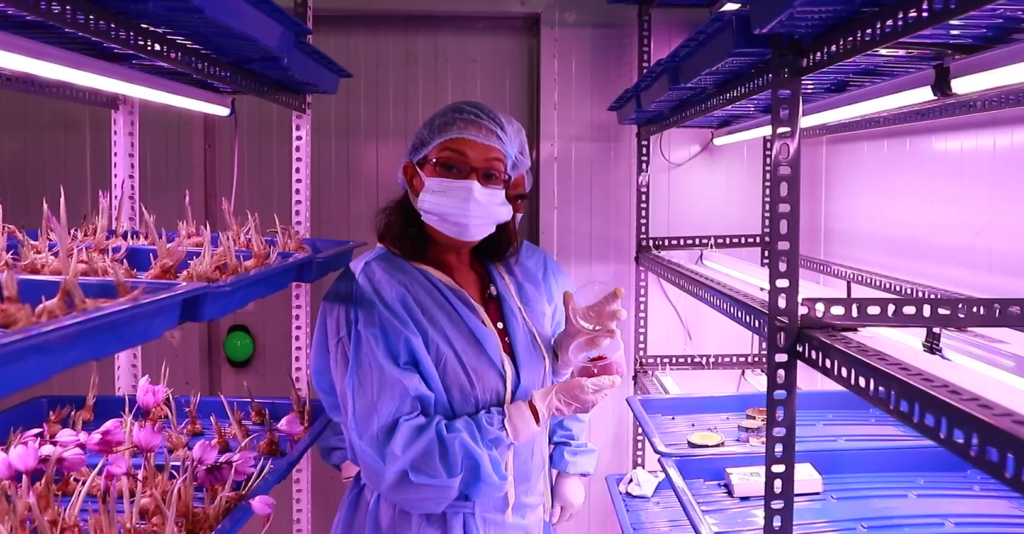
Saffron cultivation requires close monitoring, with contamination among the major challenges. People entering the laboratory are therefore required to follow safety measures, including wearing personal protective equipment.
Irrigation and temperature control are largely automated. The system sends alerts to the control system or mobile phone if any unusual changes are detected.
Focus on organic cultivation
James is also seeking organic certification and does not use chemical fertilisers or pesticides. He believes the controlled environment can help reduce pest attacks and other cultivation-related problems.
He considers changing weather conditions a major challenge for saffron cultivation and believes controlled-environment farming could gain greater importance in the future.
From experiment to enterprise
Although the project is still at the experimental stage, James plans to develop saffron cultivation into a larger enterprise. He intends to conduct further experiments using hydroponic and aeroponic systems and increase production.
His rooftop farm offers a technology-based alternative to the common perception that saffron cannot be cultivated in Kerala. James says he is willing to provide guidance and support to those interested in entering saffron cultivation.
He believes that with proper research, technical knowledge and an understanding of the market, saffron cultivation could open a new avenue for high-value farming in Kerala.