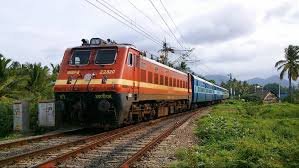
Thiruvananthapuram: The Kerala government has renewed efforts to revive the long-pending Nilambur–Nanjangud railway line, reigniting debates over environmental concerns and inter-state coordination with neighbouring Karnataka.
The proposed rail corridor, envisioned as a shorter link between Kerala and Karnataka, is projected to boost regional connectivity, trade, and tourism by providing a direct route from Malappuram district to Mysuru region. State officials argue that the project would significantly benefit northern Kerala by improving access to major markets and reducing travel time.
However, the renewed push has once again drawn opposition from environmental groups, as the alignment is expected to pass close to ecologically sensitive areas near the Western Ghats, including forest zones and wildlife corridors. Conservationists warn that the project could threaten biodiversity, disrupt elephant migration paths, and violate environmental protection norms unless stringent safeguards are ensured.
Adding to the complexity are inter-state concerns, with Karnataka yet to give full consent for the project. While Kerala has repeatedly sought joint surveys and discussions, progress has been slow due to differing priorities, land acquisition challenges, and ecological apprehensions on both sides.
Railway authorities have indicated that fresh feasibility studies and environmental impact assessments may be required before the project can move forward. The Union Ministry of Railways has also sought clarity on cost-sharing, alignment, and statutory clearances.
Political reactions have been mixed. While ruling coalition leaders in Kerala have described the rail link as vital for long-term development, Opposition parties have urged caution, insisting that environmental protection and consensus with Karnataka must take precedence.
With the project back on the agenda, the Nilambur–Nanjangud rail link is once again at the centre of a delicate balancing act between development, ecology, and federal cooperation, with its future hinging on political will, environmental clearances, and inter-state agreement.