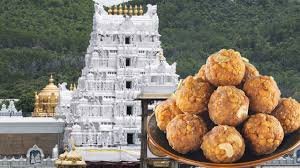
Amaravati: Drawing the curtain on a highly sensitive and emotive controversy, the CBI has confirmed that no animal fat was used in the preparation of the iconic Tirupati temple laddu. The agency clarified that neither beef nor pork fat entered the prasadam-making process—countering allegations that had triggered nationwide outrage. However, the probe has uncovered a massive adulteration scandal involving artificial ghee, pegged at nearly ₹250 crore.
The findings form part of a chargesheet filed by a CBI-led Special Investigation Team after a 15-month-long probe into irregularities in ghee procurement by the Tirumala Tirupati Devasthanams (TTD). According to the chargesheet, between 2019 and 2024, the ghee supplied to the temple did not contain animal fat, but was synthetically manufactured, violating traditional and quality standards.
The CBI revealed that around 68 lakh kilograms of artificial ghee—made by blending palm oil, other vegetable oils, and chemical additives—was procured over a three-year period. Artificial agents were allegedly added to replicate the colour and aroma of pure cow ghee, misleading both authorities and devotees.
The controversy erupted in September 2024, after Andhra Pradesh Chief Minister N. Chandrababu Naidu and Deputy Chief Minister Pawan Kalyan alleged that substandard ghee containing animal fat had been used in the laddus. The claims sparked intense political debate and deep concern among devotees across the country.
Following the uproar, the Supreme Court ordered an independent investigation, leading to the CBI taking over the case in October 2024. The chargesheet, filed before the Nellore anti-corruption court, names 36 accused, with Uttarakhand-based Bole Baba Dairy listed as the prime accused. Notably, TTD General Manager P. K. Muraleekrishna, who had initially lodged the complaint, has also been named among the accused.
While the CBI’s findings have cleared the Tirupati laddu of animal fat allegations, they have exposed serious lapses, alleged corruption, and systemic failures in the procurement process—raising fresh questions about oversight, accountability, and trust in one of India’s most revered temple administrations.