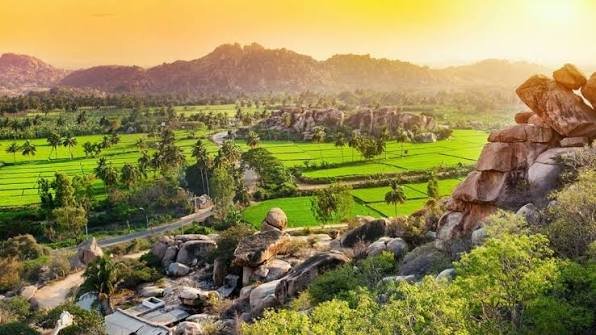
New Delhi: Rural tourism is emerging as an important driver of village economies, creating livelihood opportunities and promoting sustainable tourism across India. The government is focusing on developing rural destinations through infrastructure improvements, community participation and promotion of local cultural experiences.
The National Strategy and Roadmap for Development of Rural Tourism, introduced in December 2021 as part of the Aatmanirbhar Bharat initiative, aims to develop village tourism clusters, improve digital access, strengthen local skills and encourage entrepreneurship.
Government initiatives such as Swadesh Darshan, the Best Tourism Villages Competition and the Rural Tourism Village Portal support the development and promotion of rural destinations. Rural homestays are also receiving assistance through programmes such as DA-JGUA, MUDRA loans and skill development initiatives, creating opportunities particularly for women and young entrepreneurs.
Rural tourism offers visitors opportunities to experience traditional crafts, local cuisine, agricultural practices, cultural activities and community-run homestays. It also creates additional income sources for artisans, farmers and local service providers.
The sector is contributing to women’s entrepreneurship through homestay management, food services, handicrafts and self-help group activities. It also provides employment opportunities for rural youth in hospitality, tour guiding, transport and digital tourism services.
Villages such as Pochampally in Telangana, recognised as a Best Tourism Village by the United Nations World Tourism Organization in 2021, and Dhordo in Gujarat, recognised in 2023, have received international attention for their rural tourism potential.
The government’s rural tourism strategy focuses on six key areas: model policies and best practices, digital technologies, rural tourism clusters, marketing support, capacity building and improved governance.
The Travel for LiFE initiative, launched in 2023, further promotes sustainable practices among tourists and tourism businesses. These measures aim to strengthen community-based tourism while preserving rural heritage, traditional livelihoods and natural resources.